A pattern book for the period terrace
Sash windows in London, drawn from the originals.
Glazing London installs new sash windows across London's period homes: timber sash windows, uPVC sash lookalikes and slim double-glazed heritage units, with profiles matched to your originals and FENSA certification on fitted work. Sash window installation starts with a free survey: call 07399 253464, any hour, 24/7.
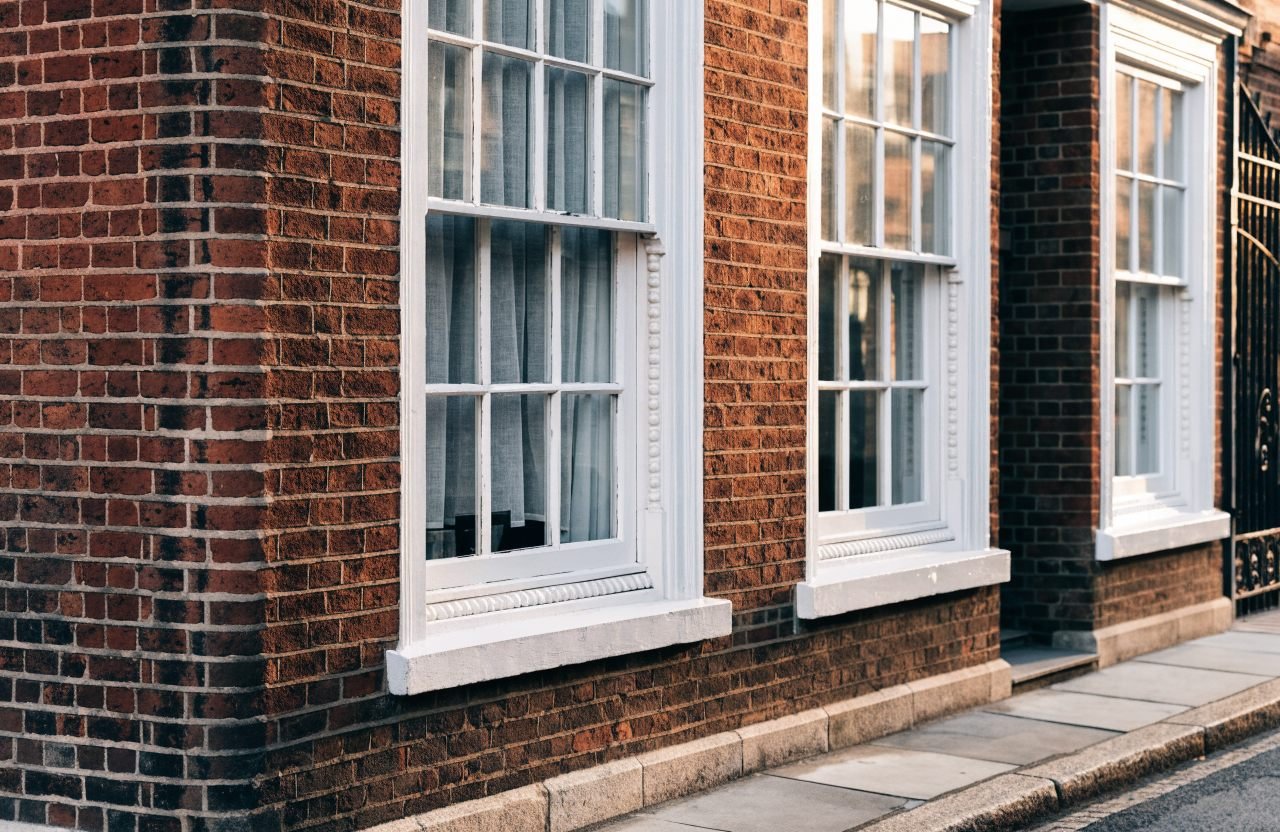
New timber sash windows
The box sash is London's native window, and a new one should be built the way the Victorians built them, as a counterbalanced machine. We install new timber sash windows in engineered redwood or Accoya, mortice-and-tenon joinery, with traditional cords and cast weights or discreet spiral balances where the box must slim down. Every window arrives factory-primed and finished in your colour, with brush-pile draught seals concealed in the beads, so it glides in winter and doesn't rattle when the 134 goes past.
Engineered timber matters: laminated sections won't twist or cup like single sawn boards, which is why we guarantee the joinery for decades, not seasons. Expect roughly 4-6 weeks from survey to fitting, one to two windows fitted per day, openings never left unglazed overnight.
uPVC sash lookalikes
Where the budget or the landlord says no to timber, a well-specified uPVC vertical slider is the honourable compromise. Ours are built to deceive at pavement distance: run-through sash horns, a deep bottom rail, woodgrain foils or heritage colours, and mechanical joints on foiled frames rather than shiny welded corners. Spring balances replace the weights, tilt-in sashes make cleaning safe above ground floors, and the frame never asks to be repainted.
They carry standard 24-28mm double-glazed units, reach U-values around 1.3 W/m²K, and are fabricated to measure through our sister factory alongside our uPVC windows range, typically 7-10 days from survey. On most non-designated streets they need no permissions at all; we'll confirm at survey.
Double-glazed heritage units
The old objection to double-glazing a sash (the unit is too fat for the rebate and the glazing bars go coarse) is answered by slim heritage units of 12-14mm overall: two panes around a 4-6mm cavity, krypton-filled, with slender warm-edge spacers in place of the chunky aluminium bar. They sit within a traditional sash section, keep putty-line sightlines and authentic glazing bar proportions, and still roughly halve the heat loss of single glazing.
We specify them honestly: slim units cost more per pane and give up a little performance against a full 28mm unit, so we reserve them for the elevations that need the look, and use standard units where nobody will ever squint at the spacer bar. Heritage glass options (drawn-effect, low-iron) complete the deception.
Conservation areas & listed buildings
Much of period London sits inside a conservation area, and many carry Article 4 directions that pull window replacement on street-facing elevations back under planning control. Listed buildings go further: any replacement, and most alterations, need listed building consent regardless of elevation. The sequence matters: consent first, joinery second. We photograph and measure the existing windows, prepare like-for-like specifications planners recognise (timber, matching sections, slim units, correct horns), and never put frames into production until the position is clear.
Where consent for replacement is unlikely, we'll say so and point you to gentler routes: repair and draught-proofing, or secondary glazing, which most conservation officers accept because it leaves the original window untouched.
Matching profiles, cills & boxes
A replacement sash betrays itself in the details, so the details are where we spend the time. At survey we trace your existing mouldings: ovolo or lamb's-tongue glazing bars, staff and parting beads, meeting rail depths and sash horn patterns, and reproduce them so one new window sits indistinguishable in a terrace of originals. Where the box itself survives, we can hang new double-glazed sashes in the existing box; where it doesn't, complete new boxes are scribed to the reveal.
Cills get the same care: full timber cills in hardwood with a proper drip groove, spliced or replaced as condition demands, never capped over rot. It's the difference between a window that was replaced and a window that looks like it was always there.
Not every sash needs replacing. If the box frame is sound, our sash window repair service re-cords, re-weights, splices rot and draught-proofs for a fraction of replacement cost, and we'll tell you at the free survey which side of the line your windows fall. Broken pane tonight? Our 24/7 emergency glazing team will make it safe first.
Sash windows, answered
Can sash windows be double glazed?
Do I need permission to replace sash windows in a conservation area?
Should I choose timber or uPVC sash windows?
Can you match my existing sash windows exactly?
Is it better to repair or replace sash windows?
Modern extension out back? Compare aluminium windows & doors, or return to all window & door installation.