Why your beautiful bi-fold doors feel cold in winter — and what modern glazing science can do about it
INTRODUCTION: THE BEAUTY AND THE PROBLEM
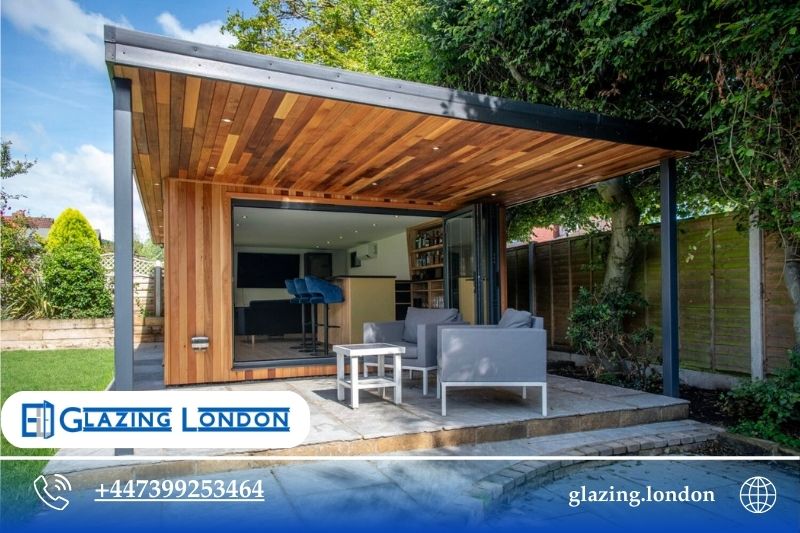
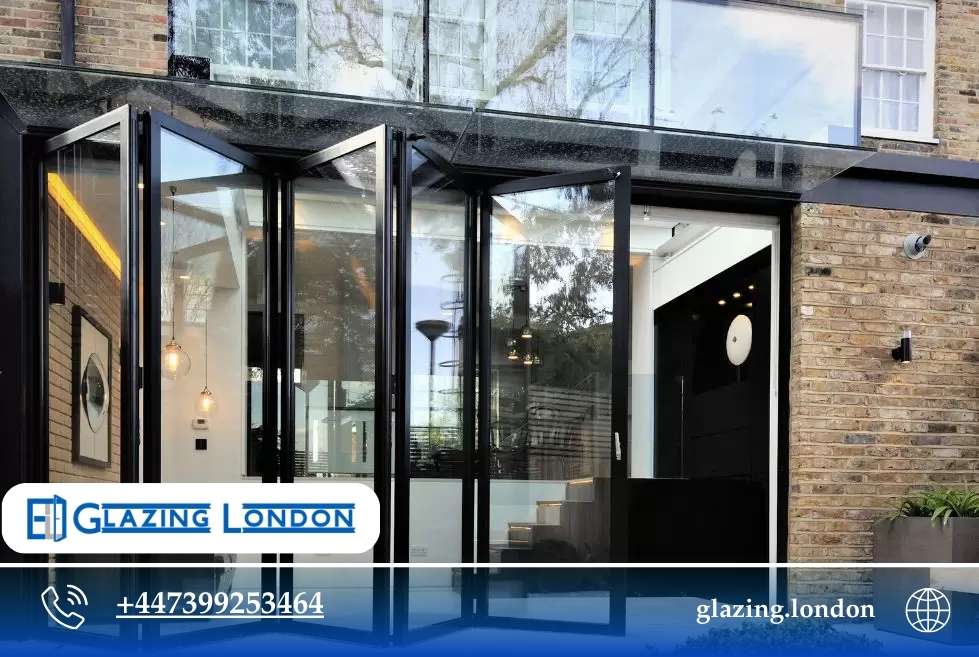
Walk into any renovated home in London today and you’ll find one architectural feature that dominates modern design: the bi-fold door . They flood rooms with light , open entire walls onto gardens , expand living spaces , and create that seamless indoor–outdoor feeling people dream about . London homeowners love them for their elegance , estate agents love them for the value they add , and architects love them for the sense of openness they create .
But behind the beauty lies a surprisingly common complaint:
“It feels colder near the bi-folds .”
“We just upgraded the house — why does the heat still escape?”
“The room is freezing in winter unless we shut the blinds .”
This is not because bi-fold doors are inherently bad at insulation . It is because bi-folds rely on complex material science , physics , and precision engineering to maintain their thermal performance . Any weakness in those areas creates a noticeable temperature difference — especially in a climate like London’s .
This article explains the science behind heat loss in bi-fold doors , why it happens , how the physics works , and what you can do to avoid it . It also looks at real homeowner experiences , modern solutions , and the glazing technologies that bring comfort back into a home .
Glazing London
THE INVISIBLE SCIENCE OF HEAT LOSS
Heat moves . It always has , and it always will . Nature is built on the rule that warm energy spreads to cooler areas . A home in winter becomes a battleground between indoor heat trying to escape and the cold air pressing in through every weak point .
The challenge with bi-fold doors is simple: they contain more glass and more frame joints than standard windows . Those two factors alone create more opportunities for heat to move .
But first , it helps to understand the three scientific pathways through which heat escapes: conduction , convection , and radiation .
Door Installation in London
CONDUCTION: WHEN HEAT SLIPS THROUGH THE MATERIAL ITSELF
Conduction is the simplest heat loss mechanism . When warm molecules inside your home touch a cooler material — like glass or aluminium — they transfer energy to it . The material absorbs warmth and sends it outward .
Bi-fold doors , by design , include large uninterrupted glass surfaces . Even the best modern glazing cannot eliminate conduction entirely . What it can do is slow it , through insulated glass units , gas-filled chambers , thermal coatings , and multi-layer construction .
Old bi-folds or low-quality installations typically suffer because the glass is not doing enough to resist conduction , allowing indoor warmth to escape continuously .
Bifold Door Installation London
CONVECTION: THE CIRCULATION OF AIR AROUND THE DOOR
Convection creates that familiar “cold draft” homeowners feel even when the door seems perfectly shut . The cause is not always a gap — sometimes it is simply air moving around a cold surface .
Warm indoor air rises and cool air falls . When the inner surface of the bi-fold door becomes cold , the air immediately next to it also cools and drops . This falling air pulls more warm air toward the door , creating a cycle that feels like a draft even when nothing is leaking .
This is why some homeowners complain the room feels chilly only near the glass . The air circulation pattern is amplifying the sensation of cold .
Bifold Door Repair London
RADIATION: INVISIBLE INFRARED ENERGY ESCAPING THROUGH GLASS
Radiation is the heat you can’t see but definitely feel . Even if your doors were perfectly sealed and insulated , they would still release radiant heat — unless the glass includes a low-emissivity (Low-E) coating that reflects thermal energy back inside .
Low-E technology was developed specifically to counter radiative heat loss , but not all bi-fold doors include it . Older models , or cheaper installations , rely on plain double glazing , which allows a significant amount of warmth to radiate outward into the cold night air .
THE ROLE OF MATERIALS: WHY SOME BI-FOLDS LOSE MORE HEAT THAN OTHERS
Not all bi-folds are created equal . The thermal performance of a door depends heavily on the materials used in both the frame and the glazing system .
ALUMINIUM: STRONG , STYLISH , BUT CONDUCTIVE
Aluminium is the most popular bi-fold frame material for modern homes because it’s slim , durable , and visually sleek . But raw aluminium is an excellent conductor of heat . That means it pulls warmth out of the room unless engineered with a thermal break — a plastic or resin barrier that disrupts the conductive pathway .
High-quality aluminium bi-folds include this break . Low-quality frames often don’t , or include one that is too narrow . The result is a cold frame , a cold edge around the glass , and a colder room overall .
uPVC: GREAT INSULATION , BUT LESS SLENDER
uPVC frames naturally resist heat transfer better than aluminium . However , they are often bulkier , less aesthetically preferred , and not as structurally stiff for wide openings . That means the glazing can perform well thermally , but the overall door may lack the premium finish modern homeowners expect .
TIMBER: BEAUTIFUL , NATURALLY INSULATING , BUT DEMANDING
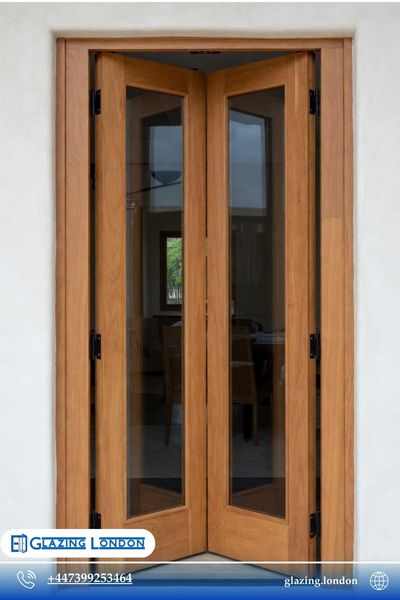
Wooden bi-folds offer excellent insulation , often better than uPVC or aluminium . But timber requires maintenance and is sensitive to moisture . If not properly cared for , gaps and warping can introduce air leakage — cancelling out the insulation benefits .
THE MULTI-PART CHALLENGE OF HEAT LOSS
Bi-fold heat loss is rarely caused by one thing . It is usually the result of a combination:
Glass that is not sufficiently insulated .
Frames that conduct heat .
Weak thermal breaks .
Poor sealing around moving parts .
Gaps that form over time due to heavy daily use .
Radiative heat escaping through older glazing .
Drafts caused by cold surface convection currents .
A large surface area of glass facing winter temperatures .
Even a tiny weakness becomes noticeable in deep winter — especially in homes with open-plan kitchens where bi-folds cover a large portion of the external wall .
Composite Door Installation in London
THE CUSTOMER EXPERIENCE: WHAT HOMEOWNERS FEEL
Homeowners usually describe heat loss through sensations rather than technical terms . They say:
“It’s cold near the doors .”
“The heaters can’t keep up .”
“The kitchen feels chilly even when the thermostat is high .”
“The glass is freezing at night .”
“The room warms up only when the blinds are closed .”
These feelings are valid and directly tied to the scientific mechanisms explained above . And they are precisely the experiences that lead people to upgrade their glazing system .
Front Door Installation London
MODERN SOLUTIONS: HOW TO PREVENT BI-FOLD DOOR HEAT LOSS
While the science explains why heat loss happens , modern engineering offers clear solutions . Contemporary glazing technology is far more advanced than what homes received even ten years ago .
Real relief comes from a combination of upgraded glass , improved frame engineering , and proper installation .
THE POWER OF DOUBLE OR TRIPLE GLAZING
A modern insulated glass unit includes multiple layers of glass separated by spacers . These cavities are filled with argon or krypton gas , which reduces conduction dramatically because these gases are poor heat conductors .
Homeowners who upgrade to high-performance double or triple glazing often describe the same moment: the sudden silence and warmth that fills the room after installation .
LOW-E COATINGS: INVISIBLE BUT TRANSFORMATIVE
Low-emissivity coatings reflect indoor heat back into the room while still allowing natural light to enter . This simple , microscopic layer is one of the most powerful tools against radiative heat loss .
THERMAL BREAK TECHNOLOGY THAT ACTUALLY WORKS
In high-end aluminium frames , the thermal break is engineered to interrupt the conduction pathway . When done well , the inside frame temperature remains comfortable , dramatically reducing cold drafts .
Cheap frames may advertise a thermal break , but the thickness and quality matter greatly . Premium bi-fold door manufacturers invest heavily in this component .
PROPER SEALING: THE UNSUNG HERO
Because bi-fold doors fold , slide , pivot , and compress , they contain multiple hinge points and gaskets . These components must press tightly to form an airtight seal . If any single point fails , the entire system becomes vulnerable to infiltration .
Professional glaziers understand that sealing is not a “one-time fit .” It requires precision , adjustment , and sometimes realignment to ensure long-term performance .
THE GLASS-TO-FRAME INTERACTION: THE MOST OVERLOOKED FACTOR
Most homeowners assume the glass is responsible for heat loss . In reality , much of the problem originates at the perimeter — where glass meets frame .
This boundary must be perfectly insulated , perfectly bonded , and perfectly aligned . If not , even the best triple glazing will underperform .
This is why installation quality is as important as the product itself . A poorly installed bi-fold can leak heat even if the materials are top-tier .
Stable Door Installation London
WHY SOME HOMES EXPERIENCE MORE HEAT LOSS THAN OTHERS
Not every house in London experiences bi-fold heat loss equally . Orientation plays a role . North-facing gardens receive less sun , keeping the glass colder . Exposed properties near open fields or rivers experience stronger wind chill . Homes with tall ceilings or large open plans allow heat to rise and escape .
Understanding a property’s unique environment is one reason professional surveyors adjust glazing recommendations for each home .
French doors installation London
HOW UPGRADES TRANSFORM LIVING SPACES
When bi-fold doors are upgraded with modern glazing science , the change is instant and dramatic . The cold zone near the doors disappears . Rooms that once required constant heating suddenly hold warmth naturally . Mornings become comfortable . Even soundproofing improves , turning the home into a calmer space .
Homeowners describe it as a shift in the atmosphere , not just temperature . The home feels alive again — comfortable , energy-efficient , and inviting .
WHY A PROFESSIONAL GLAZIER MATTERS
Bi-fold thermal performance relies on three factors: product quality , installation precision , and ongoing adjustment . A professional glazier understands these nuances . They diagnose drafts , check alignment , inspect gasket compression , identify thermal-bridge points , and recommend solutions based on the home’s unique environment .
Choosing the right team determines whether your bi-folds become a heat-saving asset or a heat-losing liability .
Double Glazing Door Installation in London
Sliding Patio Door Installation London
CONCLUSION: BEAUTY DESERVES PERFORMANCE
Bi-fold doors bring elegance , openness , and modernity to a home . But beauty alone cannot keep a room warm . True comfort requires science , engineering , and proper installation .
Heat loss isn’t a mystery . It’s physics — and physics can be controlled with the right knowledge and the right glazing system .
When bi-fold doors are upgraded properly , they stop being the coldest point in the house and become one of the most enjoyable features all year round .
A warmer home , a quieter environment , lower bills , and a more comfortable living space all begin with one decision: choosing a glazing solution designed for real thermal performance .