Why Smart Restaurateurs Treat Glass as an Investment , Not a Cost
Introduction: Glass That Pays for Itself
In London’s hyper-competitive restaurant scene , margins are tight , rents are high , and customer attention is fleeting . Restaurateurs are constantly chasing ways to increase covers , extend dwell time , and enhance brand perception—often through marketing spend or interior refurbishments .
Yet one of the highest-ROI investments is frequently overlooked: commercial glazing .
Not just as a design choice—but as a revenue-generating asset .
This article explores the hidden return on investment (ROI) of modern commercial glazing for London restaurants , cafés , and hospitality venues , using real-world operational logic rather than abstract aesthetics .
Architectural glazing London
1 . Commercial Glazing as a Revenue Multiplier (Not a Cosmetic Upgrade)
For many restaurant owners , glazing is still perceived as:
- A shopfront necessity
- A compliance requirement
- Or a one-off refurbishment cost
In reality , high-performance commercial glazing directly affects:
- Footfall conversion rate
- Table turnover
- Average dwell time
- Seasonal capacity
- Energy expenditure
- Brand positioning
Each of these metrics feeds into top-line revenue or bottom-line margin .
The London Factor
In dense urban areas like Soho , Camden , Shoreditch , Kensington , and Canary Wharf , visibility equals viability . Restaurants don’t fail because food is bad; they fail because:
- People don’t notice them
- Or they look closed , dark , or uninviting
Glass changes that equation instantly .
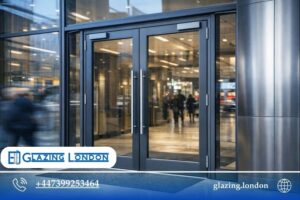
Door Installation in London
2 . Street Visibility → Footfall → Covers
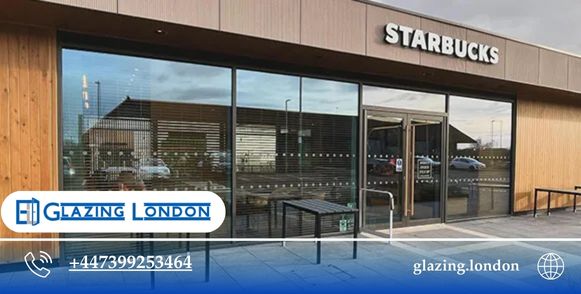
Transparency Is the New Signage
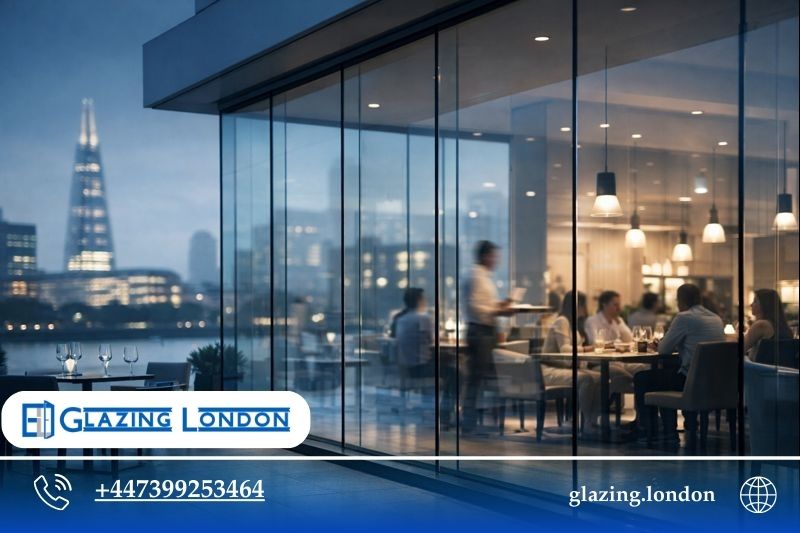
In high-traffic London streets , passers-by make decisions in seconds . Clear , well-lit glazing allows potential customers to:
- See ambience
- See occupancy (social proof)
- See food , staff , and energy
A solid wall hides activity .
A glazed frontage sells it .
Commercial impact:
- Higher walk-in conversion rate
- Reduced dependency on delivery apps
- Stronger impulse dining decisions
Restaurants with modern glazed shopfronts consistently outperform opaque façades in walk-in traffic—especially during evenings and colder months .
Window installation in London
3 . Daylight Economics: How Natural Light Increases Spend
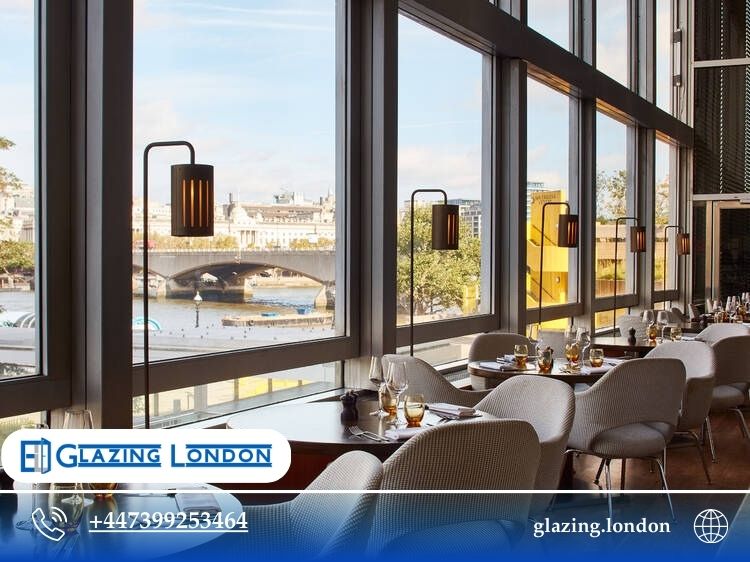
Natural daylight is not just aesthetic—it is psychologically profitable .
Proven Effects in Hospitality:
- Customers stay longer in naturally lit spaces
- Food looks more appealing in daylight
- Spaces feel larger and more premium
- Photos shared on social media increase
In London , where daylight is precious for much of the year , maximising glass surface area is equivalent to adding free interior value .
Resulting ROI effects:
- Higher average spend per table
- Increased dessert and drinks ordering
- Better lunchtime performance
This is particularly powerful for brunch concepts , cafés , and all-day dining venues .
4 . Seasonal Capacity Expansion with Smart Glazing
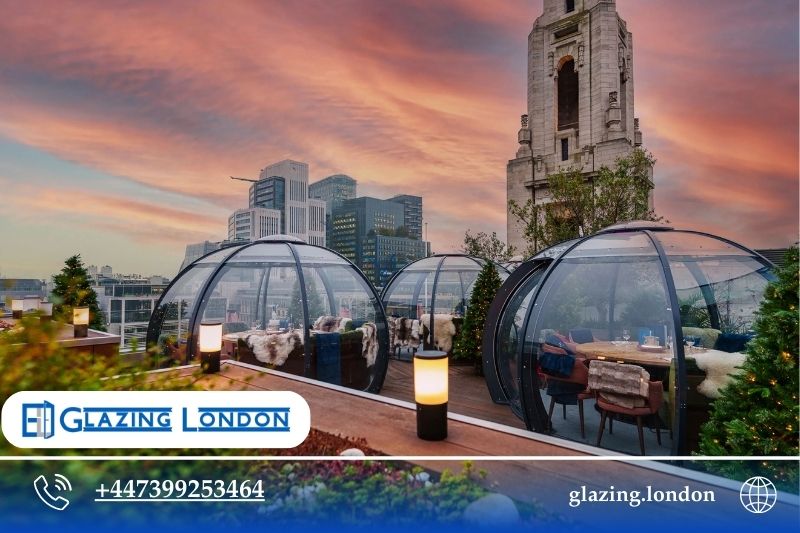
One of the highest ROI use-cases of commercial glazing in London is seasonal space monetisation .
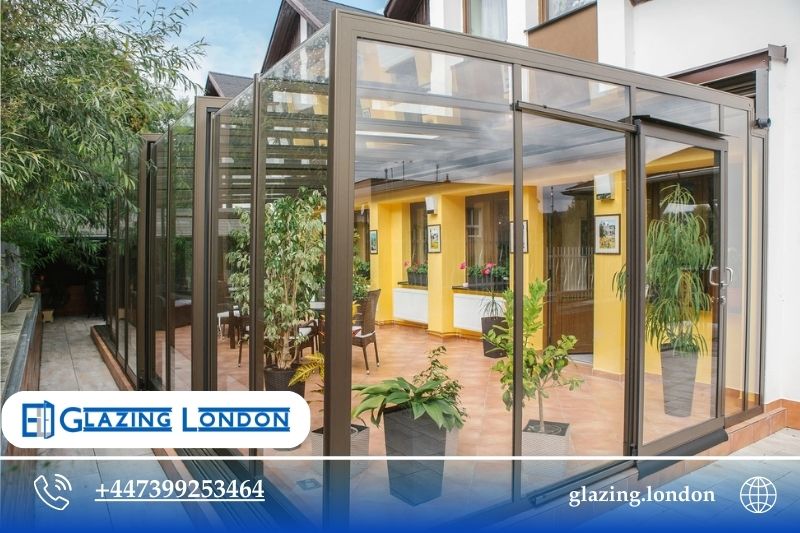
Outdoor Seating Without Weather Risk
Glass enclosures allow restaurants to:
- Use terraces year-round
- Protect against wind and rain
- Retain outdoor dining atmosphere
- Stay compliant with council rules
Instead of losing 30–40% capacity in autumn and winter , restaurants retain:
- Tables
- Staff productivity
- Revenue flow
In many London boroughs , this single upgrade can pay for itself within 12–18 months .
5 . Energy Efficiency: Hidden Savings That Stack Monthly
Modern commercial glazing is engineered—not just transparent .
High-Performance Glass Delivers:
- Thermal insulation
- Reduced heat loss
- Lower HVAC demand
- Stable indoor temperatures
In older London buildings (Victorian or post-war stock) , replacing outdated glazing significantly reduces:
- Heating bills in winter
- Cooling costs in summer
This is especially relevant for restaurants operating 12–16 hours daily .
ROI logic:
- Lower monthly operating costs
- Faster payback period
- Improved EPC ratings for landlords
Energy savings are not dramatic in one month—but substantial over 3–5 years .
6 . Acoustic Control: More Covers , Less Chaos
London restaurants face constant noise challenges:
- Street traffic
- Construction
- Crowds
- Close-proximity seating
Acoustic commercial glazing reduces external noise while keeping the space visually open .
Business Impact:
- More comfortable dining experience
- Longer stays
- Higher return visits
- Better online reviews
Noise complaints kill repeat business faster than mediocre food .
uPVC Windows installation in London
7 . Brand Perception: Glass Signals Quality and Confidence
In hospitality branding , materials speak louder than menus .
Glass communicates:
- Cleanliness
- Transparency
- Modernity
- Professionalism
Especially in premium or mid-to-upper casual dining , commercial glazing:
- Elevates perceived price point
- Justifies higher menu pricing
- Aligns with contemporary London dining culture
Restaurants that “look expensive” often are more profitable , even with identical menus .
8 . Compliance , Safety , and Insurance Advantages
Modern commercial glazing systems are designed to meet:
- UK safety standards
- Fire regulations
- Impact resistance requirements
For London restaurants , this means:
- Lower insurance risk
- Fewer compliance issues
- Reduced liability exposure
From shopfronts to internal partitions , compliant glazing is both a risk-reduction tool and an asset .
9 . Case Logic: When Does Glazing Deliver the Highest ROI?
Commercial glazing produces the strongest ROI when:
- The restaurant relies on walk-in traffic
- The location has high pedestrian flow
- Outdoor seating is underutilised
- Energy bills are consistently high
- Brand repositioning is planned
In dense zones such as Soho , Covent Garden , Camden , and Shoreditch , glazing upgrades often outperform traditional marketing spend in ROI terms .
10 . Why London Restaurateurs Are Upgrading Now
Current market drivers:
- Rising operational costs
- Pressure on margins
- Increased competition
- Higher customer expectations
Smart operators are investing in infrastructure that earns back—not one-off cosmetic refurbishments .
Commercial glazing sits exactly at that intersection .
Aluminum Window Installation London
Commercial Glazing vs Traditional Marketing Spend: A Smarter Allocation of Budget
Many London restaurant owners allocate tens of thousands of pounds annually to digital ads , delivery platforms , and short-term promotions . While these tactics drive temporary visibility , they rarely build long-term asset value .
Commercial glazing , by contrast , is a capital investment with compounding returns . Once installed , it continues to:
- Attract walk-in traffic every day
- Improve visual merchandising automatically
- Support organic brand discovery
Unlike paid ads that stop the moment budget runs out , glazing keeps generating value without recurring spend . For operators seeking stability rather than constant marketing churn , this shift in budget allocation makes strategic sense .
The Psychology of Openness: Why Customers Trust Glass-Fronted Restaurants
Transparency in architecture creates psychological trust . In a city like London—where diners are cautious , choice-driven , and time-poor—customers subconsciously prefer venues that feel open and observable .
Glass-fronted restaurants benefit from:
- Reduced hesitation to enter
- Lower perceived risk (“I can see what I’m getting”)
- Stronger first impressions
This psychological comfort directly impacts conversion rate , particularly for:
- New concepts
- Independent restaurants
- Premium casual dining venues
In effect , commercial glazing acts as a silent trust signal before a single word is spoken or a menu is read .
Double Glazing Window Installation in London
Maximising Small Spaces: How Glazing Makes London Restaurants Feel Larger
Space constraints are a defining challenge for London hospitality . Many venues operate in narrow footprints , heritage buildings , or converted retail units .
Strategic use of glazing:
- Removes visual barriers
- Extends sightlines
- Creates a sense of depth and openness
Even without adding a single square metre , restaurants feel:
- Less cramped
- More breathable
- More comfortable for longer stays
This perceived spatial expansion improves customer satisfaction and reduces table turnover pressure , ultimately leading to higher per-visit revenue .
Glass and Social Proof: Turning Diners into Live Advertising
A busy restaurant behind glass becomes its own advertisement .
Passers-by see:
- Full tables
- Active service
- A lively atmosphere
This live social proof is far more persuasive than signage or promotions . In high-footfall London locations , commercial glazing transforms diners into moving brand ambassadors , reinforcing demand organically .
Restaurants without this visibility rely heavily on third-party platforms . Those with it build self-sustaining footfall .
Long-Term Asset Value for Landlords and Lease Negotiations
Commercial glazing does not only benefit operators—it also enhances the property itself .
For landlords and leaseholders , upgraded glazing:
- Improves the building’s commercial appeal
- Supports higher rental valuation
- Increases tenant retention
For restaurant owners negotiating long-term leases , investing in glazing can:
- Strengthen bargaining position
- Justify extended lease terms
- Support future resale or assignment
This dual benefit makes glazing one of the few upgrades that aligns tenant and landlord interests .
Future-Proofing Against Regulatory and Consumer Shifts
London’s regulatory environment continues to evolve—particularly around:
- Energy efficiency
- Safety standards
- Sustainability expectations
Modern commercial glazing positions restaurants ahead of these shifts by:
- Supporting compliance
- Reducing retrofit risk
- Aligning with eco-conscious consumer values
Restaurants that future-proof now avoid forced , reactive spending later—another layer of hidden ROI that rarely appears in initial cost calculations .
emergency glazing
Final Strategic Insight: Glazing as Silent Staff
Unlike staff , glazing:
- Never calls in sick
- Never asks for a raise
- Works 24/7
It markets , insulates , protects , and enhances perception continuously . When evaluated through this operational lens , commercial glazing is not just architecture—it is infrastructure that works for the business every hour it is open .
Conclusion: Glass Is a Business Decision
For London restaurants , commercial glazing is not:
- A design trend
- A luxury upgrade
- Or a sunk cost
It is a measurable financial lever .
When planned correctly , it:
- Increases revenue
- Reduces costs
- Improves brand equity
- Enhances customer experience
The hidden ROI is only hidden until you calculate it .