A Technical , Architectural , and Commercial Guide to Building Doors That Truly Last
Introduction: Durability Begins Where Glass Meets Frame
In contemporary construction , doors are no longer passive architectural elements . They are load-bearing , climate-regulating , security-defining systems that must operate flawlessly for decades . At the heart of this performance lies a detail often underestimated: the precise compatibility between glass and door frame .
In cities like London—where moisture , pollution , temperature fluctuations , and intensive daily usage intersect—poor glass-to-frame matching is one of the most common causes of premature door failure . Cracked panes , blown seals , misaligned locks , condensation , draughts , and even security breaches often trace back to one fundamental issue: materials that were never engineered to work together long term .
This article explores the art and science behind matching glass to door frames—not from a decorative standpoint , but from a durability , lifecycle , and performance perspective .
Glazing London
1 . Glass in Doors: From Infill to Structural Component
Historically , glass was treated as a visual insert . Today , it performs multiple technical roles simultaneously:
- Structural contribution to door rigidity
- Resistance to impact and forced entry
- Thermal insulation and energy control
- Acoustic dampening in urban environments
- Fire and safety compliance
- Load transfer to hinges and frames
As glass thickness , size , and functionality increase , the margin for error in frame compatibility decreases . A 44 .2 laminated glass panel behaves fundamentally differently from a 6mm toughened pane , and frames must be designed accordingly .
Durability is not about stronger glass alone—it is about balanced systems .
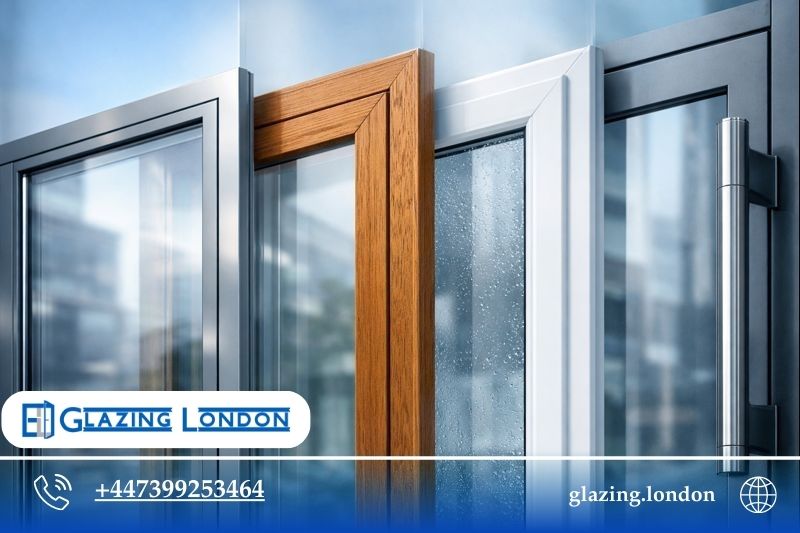
2 . Door Frame Materials: Behaviour Over Time , Not Day One Performance
2 .1 Aluminium Frames: Precision with Thermal Reality
Aluminium frames dominate modern architecture due to their slim sightlines and structural strength . However , aluminium expands and contracts significantly with temperature .
Key characteristics
- High tensile strength
- Minimal deformation under load
- High thermal expansion coefficient
Implications for glass
- Glass edges must never be rigidly fixed
- Gaskets must absorb movement
- Thermal breaks are mandatory for insulated glass
Ideal glass pairings
- Toughened safety glass
- Laminated glass for security doors
- Double or triple glazing units with flexible spacers
Without correct allowance , aluminium frames exert edge pressure on glass—often causing delayed failure months after installation .
2 .2 Timber Frames: Natural Beauty , Natural Movement
Timber frames remain popular for heritage and premium residential properties . However , timber is alive—it absorbs moisture , expands , contracts , and twists .
Key characteristics
- Hygroscopic behaviour
- Seasonal dimensional change
- Requires surface protection
Best glass matches
- Laminated glass (movement tolerant)
- IGUs with warm-edge spacers
- Thicker panes with cushioning gaskets
Durability risk
Rigid glazing in timber frames almost always leads to seal failure or glass stress cracking within years .
2 .3 uPVC Frames: Flexibility with Limits
uPVC is widely used for its affordability and thermal performance , but it has limitations .
Key characteristics
- Flexes under load
- UV degradation over time
- Lower structural stiffness
Glass considerations
- Weight must be carefully calculated
- Reinforced cores are essential for large panes
- Toughened or insulated units preferred
Overloading uPVC frames leads to sagging doors , failed seals , and misaligned locking mechanisms .
2 .4 Composite and Steel Frames: Security-Driven Systems
Composite and steel frames are used in high-security , commercial , and fire-rated doors .
Glass compatibility
- Laminated security glass
- Fire-rated glazing systems
- Acoustic laminated units
In these systems , the challenge is not movement but weight distribution and hinge engineering .
Door Installation in London
3 . Glass Types: Choosing for Performance , Not Price
3 .1 Toughened (Tempered) Glass
- Up to five times stronger than annealed glass
- Shatters safely
- Ideal for most external doors
Limitations:
- No post-processing
- Sensitive to edge damage
- Requires perfect sizing
3 .2 Laminated Glass: The Durability Champion
Laminated glass combines multiple panes with interlayers .
Benefits:
- Holds together when broken
- Reduces sound transmission
- Resists forced entry
- Handles frame movement better
This is the preferred choice for long-term durability in timber and aluminium doors .
3 .3 Insulated Glazing Units (IGUs)
IGUs introduce complexity:
- Spacer technology
- Gas fill retention
- Seal longevity
Frame compatibility must consider:
- Drainage paths
- Pressure equalisation
- Thermal bridging
Many IGU failures blamed on “bad glass” are actually frame or installation issues .
Composite Door Installation in London
4 . Thermal Expansion: Engineering for Invisible Forces
Glass barely expands . Frames do .
In London , daily temperature cycling creates micro-movements that accumulate stress over time .
Engineering solutions
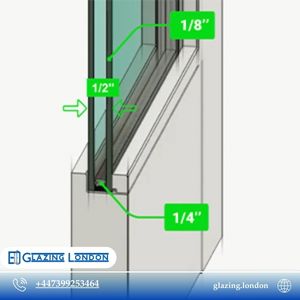
- Floating glazing systems
- Setting blocks
- Compression gaskets
- Expansion tolerances
Ignoring expansion is one of the most expensive mistakes in door glazing .
Front Door Installation London
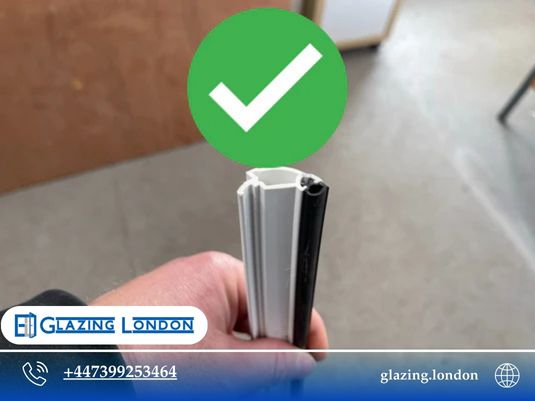
5 . Seals , Gaskets , and Interfaces: Where Systems Succeed or Fail
Durability is often lost at the smallest components .
Critical elements:
- EPDM gaskets for longevity
- Silicone compatibility with glass coatings
- Correct hardness (Shore rating)
- UV and ozone resistance
Poor seals cause:
- Condensation
- Draughts
- Energy loss
- Accelerated decay of frames
Stable Door Installation London
6 . Security and Durability Are the Same Conversation
A durable door must also remain secure over time .
Correct pairing includes:
- Laminated glass + reinforced frame
- Anti-tamper glazing beads
- Multi-point locking aligned with glass thickness
Security failures often start with glazing movement , not locks .
Sliding Patio Door Installation London
7 . Environmental Reality: Why London Is a Stress Test
London doors face:
- Constant moisture exposure
- Urban pollution
- Heavy foot traffic
- Frequent opening cycles
Materials that perform well elsewhere may fail early here without correct matching .
8 . Residential vs Commercial Doors: Different Lifecycles
Residential doors prioritize comfort and aesthetics .
Commercial doors prioritize endurance and safety .
Using residential glazing logic in commercial doors results in:
- Frequent repairs
- Downtime
- Compliance risks
French doors installation London
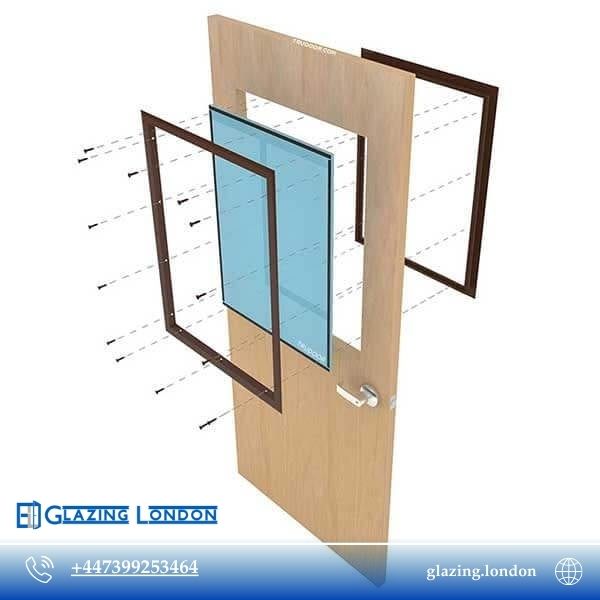
9 . Installation: The Final Determinant of Durability
Even perfect specifications fail with poor installation .
Common errors:
- No setting blocks
- Over-tightened beads
- Incorrect packer placement
- Ignoring load paths
Professional glazing is an engineering task , not manual labour .
10 . Lifecycle Cost: Why Proper Matching Always Wins
Cheap systems fail early . Durable systems amortize their cost over decades .
Correct matching delivers:
- 20–30 year service life
- Lower maintenance
- Stable performance
- Higher property value
Double Glazing Door Installation in London
Conclusion: Durability Is Designed , Not Discovered
Matching glass to door frames is not guesswork—it is a deliberate engineering process .
When materials , tolerances , seals , and installation align , doors:
- Perform consistently
- Age gracefully
- Protect occupants
- Reduce long-term costs
Durability is not visible on day one . It reveals itself over years .