Introduction: The Hidden Weakness Behind Victorian Elegance
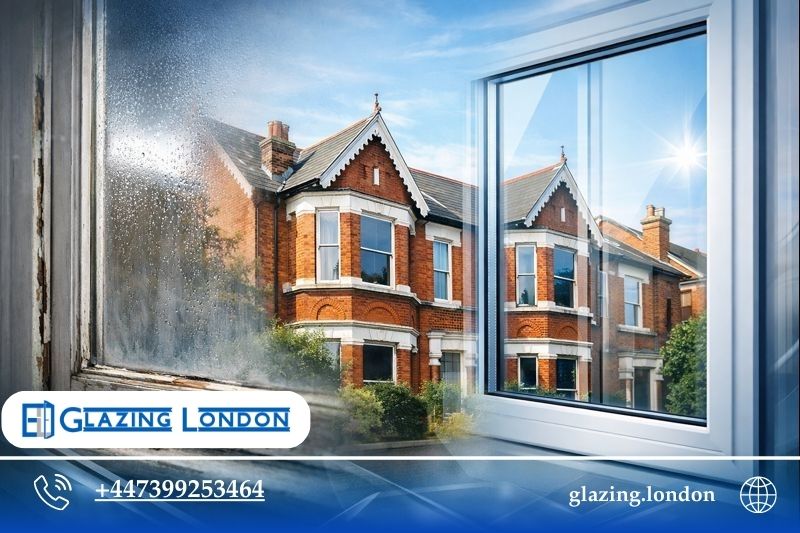
Victorian homes are among the most admired residential properties in London . Their timeless façades , tall sash windows , ornate brickwork , and carefully proportioned elevations represent a period when craftsmanship and aesthetics were central to residential architecture . However , behind this visual elegance often lies a structural and performance reality that no longer aligns with modern living standards .
This case study documents a real glazing project in which our team was commissioned to reinforce a Victorian residential property using modern glazing systems , without compromising its historic character . The objective was not cosmetic improvement alone; it was a performance-driven intervention designed to solve long-standing issues related to heat loss , acoustic discomfort , energy inefficiency , and security—while remaining visually indistinguishable from the original design .
This article goes beyond a simple “before and after” narrative . It explains the thinking process , constraints , engineering decisions , installation methodology , and long-term outcomes , offering valuable insight for homeowners , architects , surveyors , and property investors dealing with period buildings .
Architectural glazing London
Understanding Victorian Homes: Architecture , Strengths , and Limitations
Victorian houses were built in an era where energy efficiency , noise control , and modern security standards were not design priorities . Their construction reflects the technological and material limitations of the late 19th century .
Key Architectural Characteristics
- Tall , vertically proportioned sash windows
- Single-glazed glass panes
- Solid masonry walls with limited insulation
- Timber window frames with decorative mouldings
- Emphasis on natural light rather than thermal performance
While these features create bright , elegant interiors , they also result in:
- Significant heat loss through glazing
- Cold draughts during winter
- Overheating in summer
- Poor acoustic insulation
- High ongoing maintenance requirements
Door Installation in London
The Client Brief: A Balance Between Preservation and Performance
The homeowner approached us after several winters of escalating heating costs and declining comfort . Despite the charm of the property , it had become increasingly impractical for year-round living .
The Client’s Non-Negotiable Requirements
- Preservation of external appearance
Any visible alteration to the façade was unacceptable . - Noticeable improvement in thermal comfort
The internal temperature needed to be stable and efficient . - Noise reduction without secondary glazing
The client disliked internal secondary glazing panels . - Improved security
Original single glazing offered minimal protection . - Future-proofing the property’s value
The solution needed to be acceptable to surveyors and buyers .
This combination of requirements immediately ruled out standard off-the-shelf window replacement systems .
Why Replacing Victorian Windows Is Rarely Straightforward
Many property owners assume that replacing old windows with modern double-glazed units is the obvious solution . In Victorian homes , this assumption often leads to poor outcomes .
Common Mistakes We Frequently See
- Use of bulky modern frames that disrupt proportions
- Loss of original mouldings and detailing
- Reduced property value due to heritage inconsistency
- Planning or neighbour disputes
- Increased condensation due to incorrect ventilation
In this project , avoiding these pitfalls was central to our strategy .
Initial Survey and Diagnostic Phase
Before proposing any solution , we carried out a comprehensive assessment of the existing windows and surrounding structure .
Survey Scope
- Timber frame integrity and rot assessment
- Sash weight balance and pulley condition
- Glass thickness and composition
- Air leakage points
- Condensation patterns
- Structural movement around window reveals
This diagnostic phase revealed that many of the original timber frames were structurally salvageable , despite surface deterioration . This finding shaped the entire project approach .
Window installation in London
Strategic Decision: Restoration Plus Reinforcement , Not Replacement
Rather than removing the windows entirely , we proposed a hybrid solution:
- Restore and reinforce original frames where feasible
- Upgrade glazing units to modern slim-profile systems
- Integrate discreet draught-proofing and security enhancements
This approach delivered performance improvements while preserving architectural authenticity .
Selecting the Right Glazing System for a Victorian Property
The glazing specification was the most critical technical decision in the project .
Why Standard Double Glazing Was Not Suitable
Conventional double-glazed units are too thick for traditional sash frames . Installing them would have required:
- Cutting back original timber sections
- Altering sash proportions
- Changing reflection and visual depth of glass
All of these changes would have been visible from the street .
The Chosen Solution: Slimline Heritage Double Glazing
We selected a slim-profile double-glazing system specifically engineered for period properties .
Key Technical Advantages
- Significantly improved thermal performance over single glazing
- Minimal increase in glass thickness
- Reduced condensation risk
- Improved acoustic attenuation
- Compatibility with existing sash mechanisms
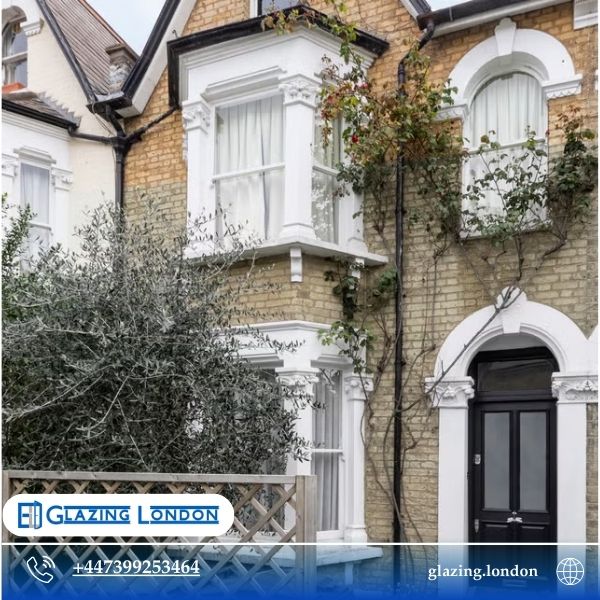
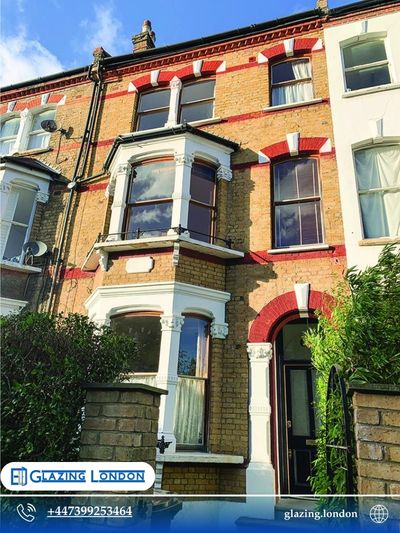
From an external viewpoint , the windows remained visually identical to their original form .
uPVC Windows installation in London
Timber Frame Restoration: Extending the Life of Original Materials
Preserving original timber was both an architectural and environmental decision .
Restoration Process
- Removal of decayed timber sections
- Resin-based timber repair where structural integrity allowed
- Reinforcement of stress points
- Retention of original mouldings and profiles
This approach avoided unnecessary waste and retained the craftsmanship embedded in the building .
Aluminum Window Installation London
Draught-Proofing and Air Tightness Improvements
One of the biggest contributors to discomfort in Victorian homes is uncontrolled air movement .
Our Draught-Proofing Strategy
- Hidden brush seals integrated into sash channels
- Improved meeting rail seals
- Balanced airflow to avoid condensation
The result was a noticeable improvement in comfort without compromising ventilation .
Acoustic Performance: Reducing Urban Noise Without Compromise
The property faced a moderately busy street , making noise reduction a key concern .
How Glazing Improved Acoustic Comfort
- Increased glass mass reduced sound transmission
- Improved sealing eliminated vibration and rattling
- No need for intrusive secondary glazing
The homeowner reported a significant reduction in traffic noise , particularly at night .
Security Enhancements Integrated Into the Design
Victorian windows were not designed with modern security threats in mind .
Security Upgrades Included
- Laminated internal glass panes
- Modern locking mechanisms concealed within traditional fittings
- Improved resistance to forced entry
All enhancements were integrated without altering the visual language of the windows .
Double Glazing Window Installation in London
Installation Methodology: Precision Over Speed
Installing upgraded glazing into restored sash windows requires exceptional precision .
Installation Principles
- Phased installation to minimize disruption
- Continuous alignment and balance checks
- Protection of internal finishes
- Detailed quality control at every stage
This careful approach ensured long-term reliability and smooth operation .
Post-Installation Performance Assessment
Following installation , the property was monitored to evaluate real-world performance .
Measured and Observed Improvements
Thermal Comfort
- More stable indoor temperatures
- Reduced reliance on heating
- Improved energy efficiency
Acoustic Environment
- Lower ambient noise levels
- Improved quality of sleep and concentration
Operational Ease
- Smooth sash operation
- No rattling or sticking
Impact on Property Value and Market Appeal
From a financial perspective , the upgrade delivered long-term value .
Key Value Drivers
- Improved EPC potential
- Enhanced buyer confidence
- Reduced future maintenance
- Compliance-friendly upgrade strategy
Period properties with sympathetic modern upgrades consistently outperform poorly modernised alternatives in the resale market .
Why This Case Study Matters to Victorian Homeowners
Many owners of period properties believe they must accept discomfort as the price of character . This project demonstrates that such a trade-off is unnecessary .
Core Lessons
- Modern performance and heritage aesthetics are not mutually exclusive
- Specialist glazing knowledge is essential
- Poorly executed upgrades can reduce value
- Thoughtful intervention enhances both comfort and authenticity
Strategic Takeaways for Architects and Surveyors
- Avoid generic window specifications for period properties
- Prioritise reversible and sympathetic interventions
- Understand the visual language of historic façades
- Performance improvements must respect proportion and detail
Glass Replacement in London
Long-Term Outlook: Future-Proofing Historic Homes
With rising energy costs and increasing environmental awareness , upgrading period homes is no longer optional—it is inevitable . The challenge lies in doing so without erasing history .
This project shows how glazing , when designed and executed correctly , can play a pivotal role in future-proofing historic housing stock .
emergency glazing
Conclusion: Reinforcing the Past Without Rewriting It
This Victorian home glazing project stands as a practical demonstration of how engineering precision , architectural sensitivity , and modern materials can coexist .
The property retained its historic identity while gaining:
- Improved comfort
- Better energy performance
- Enhanced security
- Increased long-term value
For homeowners , developers , and professionals working with period buildings , this case study serves as a blueprint for responsible , high-performance glazing upgrades .