A real London case study of how replacing single glazing with modern double glazing reduced heat loss , eliminated drafts , and cut annual energy bills by almost £500 — while boosting property value and comfort .
Introduction: When comfort becomes a problem
Winter in Hackney is not Siberia-level catastrophic , but it has a certain wet , bone-cold insistence . Houses in East London , many built before modern insulation standards , struggle to trap heat . Radiators work overtime , rooms never quite reach the desired temperature , and monthly energy bills climb like ivy on a townhouse wall .
In October of last year , the Rahman family — a couple with two young children living in a modest terrace house off Mare Street , Hackney — reached a breaking point . Even with the heating running six hours a day , the living room temperature barely went above 17°C . Windows were fogging up , drafts were sneaking through the frames , and condensation was leaving mold patches on the sills .
They were losing heat through the one element most people don’t notice until it becomes a problem:
their windows .
By January , their gas bill hit £247 .19 .
A neighbour casually asked:
“Have you ever thought about double glazing? This is Hackney — nothing retains heat here unless you upgrade your windows .”
That sentence changed everything .
Double glazing Hackney
1 . The energy audit: Seeing the invisible
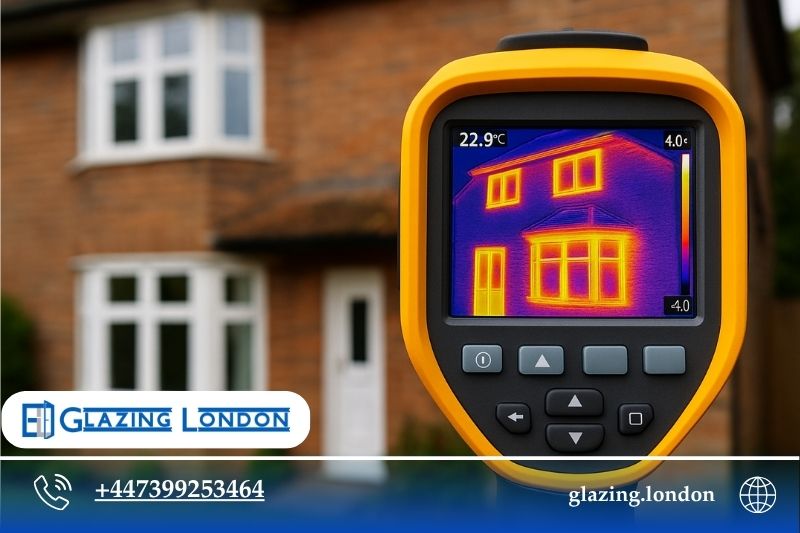
The family booked an energy efficiency survey . The surveyor arrived with tools that looked part-scientific , part-futuristic:
- A thermal camera to show heat loss
- A draft meter to measure air infiltration
- A hygrometer to test humidity and condensation risk
When the thermal camera pointed toward the windows , it displayed a dramatic heat flow — bright red inside , deep blue around the frames — visual proof of loss . Up to 28% of total heat was escaping directly through the glass and gaps around the sashes .
The auditor explained it plainly:
“Your house is heating Hackney , not you .”
The Rahmans weren’t alone . According to the UK Energy Saving Trust , about 35% of London homes still rely on outdated single glazing , especially in older boroughs like Hackney , Islington , and Camden .
Door Installation in London
2 . Why single glazing loses so much heat
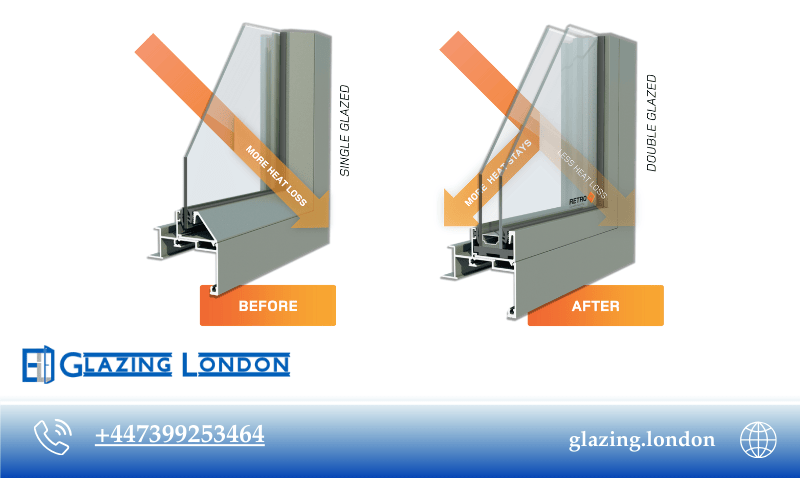
Single glazing is just one sheet of glass — no insulation , no barrier . Glass is a terrible insulator . Heat simply passes through it . Warm air from inside touches the cold pane , energy transfers , and warmth disappears outside .
Their specific windows had three additional problems:
- Draft leakage — gaps in the wooden frames .
- Condensation — perpetual moisture causing mold .
- No acoustic insulation — traffic noise from Mare Street felt like it was inside the house .
The verdict:
It was not just inefficient . It was unhealthy .
Their heating system wasn’t the issue — their windows were the enemy .
3 . The decision: Double glazing or triple glazing?
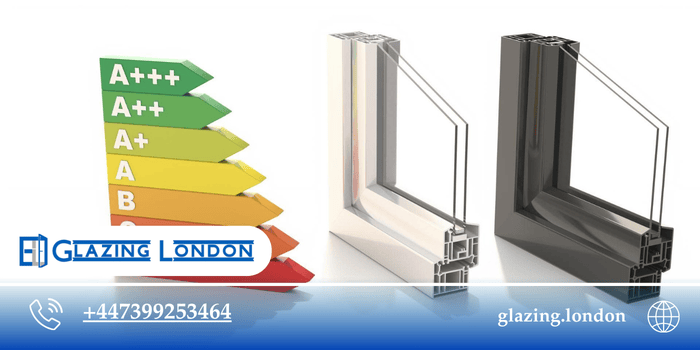
The energy auditor recommended A-rated uPVC double glazing .
Triple glazing was considered , but the house didn’t face:
- A major road
- Extreme wind exposure
- North-facing heat loss
Double glazing was the ideal combination of value , performance , and payback time .
Double Glazing Door Installation in London
Projected savings: £480–£540 per year
Estimated ROI period: 3 .5–4 years
Most importantly , the upgrade would make a real difference to comfort — a factor no spreadsheet can capture .
Window installation in London
4 . Installation day: A transformation beginning with sound
Installation took two days .
The moment the old windows were removed , freezing air swept into the house , confirming how leaky the old frames were . When the new double glazing went in , something subtle but profound happened:
Silence .
The home suddenly felt insulated from Hackney itself — buses , pedestrians , barking dogs , even neighbours’ conversations outside vanished into a soft , distant murmur . Energy efficiency aside , this new sense of calm felt luxurious .
That evening , they turned on the heating .
Within twenty minutes , the room temperature rose to 21°C — a milestone they never reached before without cranking the boiler on maximum .
uPVC Window Installation in London
5 . The first energy bill after installation
Their next gas bill arrived in February .
Before double glazing: £247 .19
After double glazing: £168 .40
The change happened in the coldest month of the year .
Over the following months , savings continued:
| Season | Average Monthly Gas Bill Before | After Double Glazing |
| Winter peak | £230+ | £160-175 |
| Autumn | £180 | £120 |
| Spring | £150 | £95 |
| Summer (minimal heating) | £68 | £52 |
After one full year , total reduction: £503 .76
The Rahmans upgraded windows initially to stop drafts . What they received was a 500-pound gift annually — plus warmer mornings , no mold , fewer allergies , and quieter sleep .
Double Glazing Window Installation in London
6 . Unexpected benefit: Home value and EPC rating increased
The family hadn’t considered resale value .
When their EPC (Energy Performance Certificate) was reissued , the rating moved from Band D to Band C — a substantial improvement in London’s competitive property market .
Estate agents estimate that double glazing typically increases home value by 3% to 7% , and improves buyer perception dramatically .
Buyers don’t like cold houses .
Buyers don’t like mold .
Buyers don’t like draft leaks .
Double glazing is a small upgrade with a disproportionately large impact on how a property feels — and people pay for feeling , not features .
7 . Why double glazing works: The physics made simple
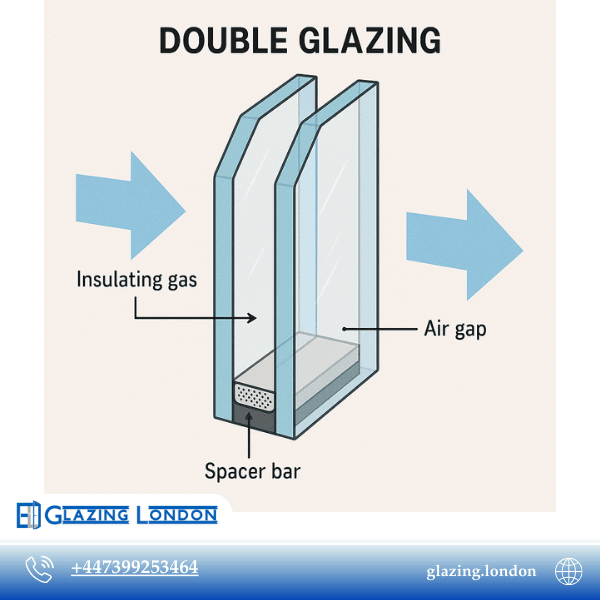
Double glazing works because:
- Two panes of glass create an insulating barrier .
- The gap between panes contains argon gas , which slows heat transfer .
- Low-E (low-emissivity) coating reflects heat back toward the room .
- Modern frames use compression seals that prevent air leakage .
To simplify:
Single glazing = heat escapes fast
Double glazing = heat stays in the house
It’s science disguised as comfort .
8 . Psychological impact: Living differently in the same house
After the upgrade , the family began using rooms they previously avoided in winter:
- The dining room (once freezing)
- The living room corner (previously drafty)
- The kids’ room (once humid from condensation)
The children stopped waking up coughing from cold air .
The parents stopped arguing about the thermostat .
The house felt whole .
Another fun change: they started inviting friends over more often . When a home feels warm and comfortable , life expands .
9 . The new monthly ritual: The heating stays off longer
Before double glazing:
They turned the heating on at 5pm .
After double glazing:
They turned it on at 7pm — sometimes not at all .
Heat retention means heat behaves like stored value — remaining in the home instead of evaporating outdoors .
10 . Lessons learned by the family
They summarised their experience like this:
“Double glazing isn’t an expense . It’s an investment in comfort , peace , and lower bills .”
And the beautiful irony?
The family originally worried that double glazing was “too expensive .”
Now they wish they had done it five years earlier .
11 . Final takeaway: Your windows are either saving money or leaking money
Every home in Hackney — or anywhere in London — can benefit from double glazing .
If you feel drafts , hear street noise , or constantly battle condensation , you are spending money to heat the outdoors .
The Rahmans took action .
Now their home is warmer , quieter , healthier , and cheaper to maintain .
Their audit ended with a truth worth sharing:
“Energy efficiency isn’t about using less heat . It’s about needing less heat .”