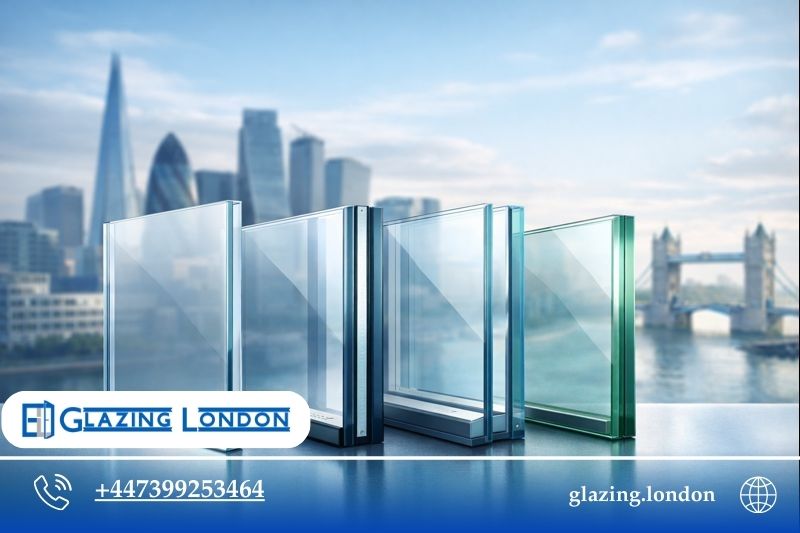
A comprehensive , regulation-aware , and performance-driven guide for homeowners , landlords , and property professionals
Introduction: Why Glass Thickness Is a Strategic Decision in London Homes
In London’s residential property market , glazing decisions are rarely cosmetic . Choosing the correct glass thickness directly impacts safety compliance , acoustic comfort , thermal efficiency , long-term maintenance costs , and property value . Despite this , many homeowners and even some contractors treat glass thickness as a secondary detail , focusing instead on frame style or aesthetics .
In a dense metropolitan environment like London , this approach often leads to regret . Traffic noise , fluctuating temperatures , strict building regulations , and diverse housing stock mean that glass thickness must be selected strategically , not generically .
From a content marketing standpoint , this subject attracts high-intent users:
- Homeowners planning window replacement
- Landlords preparing properties for compliance or resale
- Developers working on refurbishments
- Property managers addressing tenant complaints (noise , heat loss , safety)
This article is designed to serve all of them—educating , guiding , and subtly positioning professional glazing services as the safest and most cost-effective path forward .
Glazing London
Understanding Glass Thickness: Beyond Millimetres
Glass thickness is typically measured in millimetres (mm) , but thickness alone does not define performance . It is one variable within a broader glazing system that includes:
- Glass type (float , toughened , laminated)
- Number of panes (single , double , triple)
- Cavity width and gas fill
- Coatings and treatments
- Frame material and depth
- Installation quality
Common Residential Glass Thicknesses
- 3–4mm: Traditional single glazing , minimal performance
- 4mm: Standard double glazing pane
- 6mm: Enhanced strength and noise reduction
- 8–10mm: Safety-critical or large-panel applications
- 12mm+: Structural or load-bearing glass
In London homes , selecting thickness without considering context often results in overpaying or underperforming .
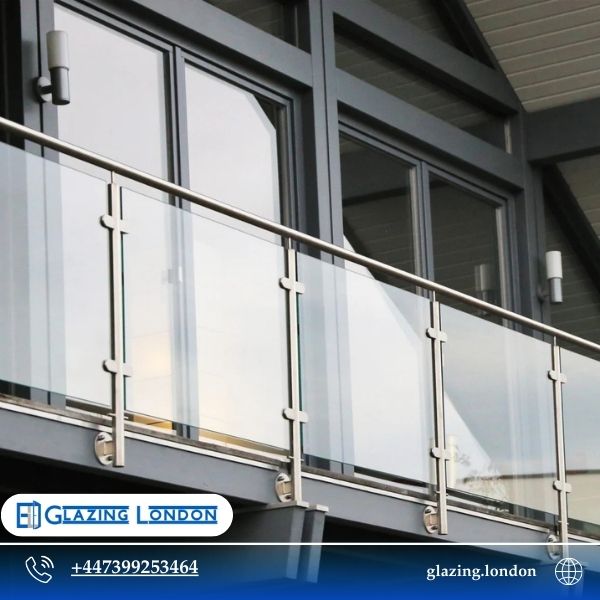
Door Installation in London
Why London Homes Require Special Consideration
1 . Noise Pollution and Urban Density
London consistently ranks among the noisiest cities in Europe . Road traffic , rail networks , aircraft paths , construction activity , and nightlife all contribute to elevated ambient noise levels .
Glass thickness affects noise control through mass and vibration damping . Thicker and laminated glass significantly reduce sound transmission , particularly low-frequency noise common in traffic and rail environments .
Homes near:
- Main roads
- Bus routes
- Underground lines
- Commercial zones
benefit disproportionately from carefully selected glass thickness .
2 . UK Building Regulations and Compliance
Glass thickness is not merely a performance issue—it is often a legal requirement .
Key regulatory frameworks include:
- Part L: Energy efficiency
- Part K: Safety glazing
- Part Q: Security (for new builds)
Incorrect glass thickness or type can lead to:
- Failed inspections
- Invalid insurance claims
- Legal liability for landlords
- Costly remedial work
In London’s tightly regulated housing environment , compliance is non-negotiable .
3 . Diversity of Housing Stock
London homes range from:
- Georgian and Victorian terraces
- Edwardian conversions
- Post-war council blocks
- Modern high-rise apartments
Each presents different constraints:
- Shallow timber frames
- Listed building restrictions
- Structural movement
- Fire and safety requirements
Glass thickness must align with both the building’s age and its intended use .
Window installation in London
Glass Thickness by Application
Residential Windows
Standard residential windows typically use double glazing , with pane thickness chosen based on performance needs .
- Low-noise areas: 4mm + cavity + 4mm
- Moderate noise exposure: 4mm + cavity + 6mm
- High-noise areas: Laminated glass (6 .8mm or 8 .8mm)
Thicker glass improves:
- Acoustic insulation
- Resistance to breakage
- Perceived build quality
However , excessive thickness without frame compatibility can cause warping or seal failure .
Doors and Door Panels
Glass used in doors must comply with safety glazing standards . This typically requires:
- Toughened glass
- Laminated safety glass
Thickness ranges usually fall between 6mm and 10mm , depending on panel size and exposure .
For London homes concerned with security , laminated glass provides:
- Increased resistance to forced entry
- Reduced risk of injury upon breakage
- Compliance with modern safety expectations
Rooflights and Skylights
Roof glazing presents unique risks . Gravity and overhead installation demand higher safety margins .
Standard practice includes:
- Laminated inner pane (minimum 8mm)
- Toughened outer pane
- Adequate thickness to handle impact and load
Failure to specify correct thickness here is a serious safety hazard .
Balustrades and Structural Glass
Juliet balconies , stair balustrades , and internal glass partitions often use laminated structural glass , typically:
- 12mm
- 16 .8mm
- 21 .5mm
In these cases , thickness is about structural integrity , not insulation .
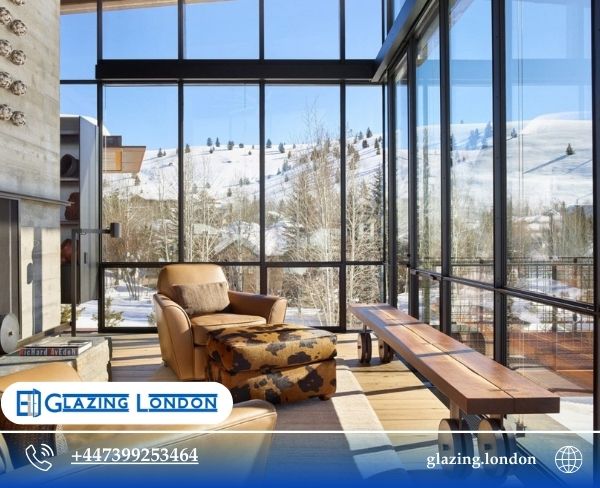
uPVC Windows installation in London
Single , Double , and Triple Glazing: Thickness Strategy Explained
Single Glazing
Common in heritage properties , single glazing typically uses 3–4mm glass . While visually authentic , it performs poorly in:
- Thermal insulation
- Noise reduction
- Security
Many London homeowners now opt for slimline double glazing as a compliant upgrade .
Double Glazing
The most common choice in London homes . Performance depends on:
- Pane thickness
- Cavity width (ideally 14–20mm)
- Gas fill (argon)
- Low-emissivity coatings
Asymmetrical pane thickness (e .g . , 4mm + 6mm) improves acoustic performance without excessive cost .
Triple Glazing
Increasingly popular in energy-focused renovations . Triple glazing often uses thinner individual panes but greater total thickness .
Considerations include:
- Frame depth compatibility
- Weight
- Cost vs benefit in London’s climate
For many London homes , acoustic-optimised double glazing outperforms standard triple glazing in real-world conditions .
Aluminum Window Installation London
Safety Glass: Thickness vs Glass Type
Safety is primarily dictated by glass treatment , not thickness alone .
- Toughened glass: Heat-treated , shatters into small pieces
- Laminated glass: Layers bonded with interlayer , holds together when broken
Thickness commonly starts at 6mm , but laminated configurations increase total thickness .
Safety glazing is mandatory in:
- Doors
- Side panels
- Low-level windows
Non-compliance here is a major liability risk for landlords .
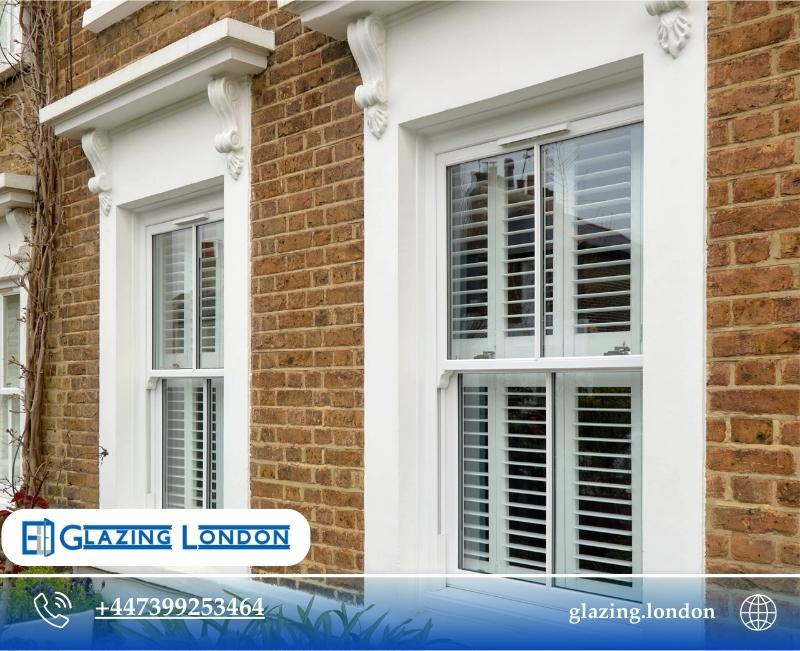
Double Glazing Window Installation in London
Energy Efficiency and Thermal Performance
Contrary to popular belief , thicker glass alone does not guarantee better insulation . Thermal performance depends more on:
- Gas-filled cavities
- Low-E coatings
- Warm-edge spacers
- Airtight installation
However , thicker panes:
- Reduce internal convection
- Improve overall unit stability
- Enhance long-term seal performance
In London’s variable climate , balanced specification delivers the best results .
Acoustic Performance: One of London’s Strongest Selling Points
Noise reduction is one of the most emotionally compelling benefits of upgraded glazing .
Effective acoustic strategies include:
- Laminated glass (6 .8mm or 8 .8mm)
- Asymmetrical pane thickness
- Increased overall mass
In real terms , correct glass thickness selection can:
- Reduce perceived noise by up to 50%
- Improve sleep quality
- Increase tenant satisfaction
- Reduce complaints and turnover
For landlords , this directly impacts rental yield and retention .
Cost Considerations: Avoiding False Economies
Thicker glass increases:
- Material cost
- Weight
- Installation complexity
But it reduces:
- Breakage risk
- Noise complaints
- Energy loss
- Maintenance frequency
In London’s property market , investing in the correct glass thickness often delivers a measurable return within a few years , especially in rental properties .
Common Mistakes London Homeowners Make
- Choosing thickness without considering noise exposure
- Ignoring frame limitations
- Over-specifying thickness where coatings would suffice
- Failing to meet safety glazing requirements
- Using non-certified installers
Each mistake carries financial and legal consequences .
How Professionals Determine the Correct Thickness
A professional assessment considers:
- Location and noise profile
- Pane size and orientation
- Frame material and depth
- Regulatory requirements
- Budget and long-term goals
This consultative approach is what differentiates professional glazing services from commodity suppliers .

emergency glazing
Content Marketing Insight: Why This Topic Converts
From a marketing perspective , glass thickness content works because it:
- Addresses a real pain point
- Demonstrates expertise
- Builds trust
- Educates before selling
Users searching this topic are already close to making a decision . High-quality guidance positions the service provider as the safest choice .
Final Thoughts: Thickness as an Informed Investment
Choosing the right glass thickness for London homes is not about choosing the thickest option available . It is about:
- Compliance
- Comfort
- Performance
- Longevity
When specified correctly , glass thickness becomes a quiet , invisible upgrade that dramatically improves daily living and long-term property value .