Introduction
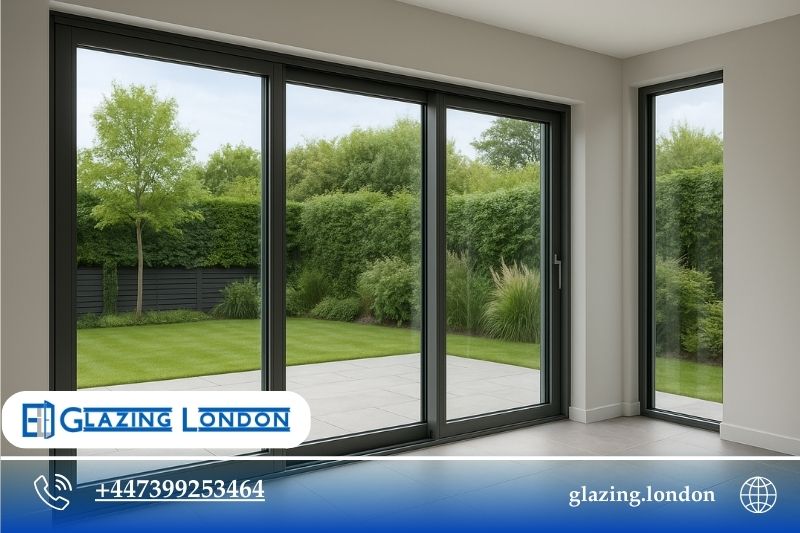
Aluminium door systems have rapidly become the preferred specification for architects across London and the UK . Their clean sightlines , structural strength , design flexibility and long-term performance align with everything modern architecture demands: minimalism , efficiency , and durability .
As London homeowners increasingly invest in high-performance glazing systems that enhance both property value and thermal comfort , aluminium doors (from bifold systems to sliding panels and French-style openings) provide a future-proof solution . In renovation projects across Kensington , Chelsea , Camden , Hackney , Wimbledon and Canary Wharf , architects consistently recommend aluminium because it strikes the perfect balance between engineering and aesthetics .
This article explains in depth why aluminium door systems are now considered the gold standard by architects , what advantages they bring to residential and commercial properties , how they compare to uPVC and timber , and why they have become a central component in premium glazing solutions such as those offered by Glazing London .
Double Glazing London
1 . Architectural Priorities Have Changed
The shift in architectural trends over the last decade is closely tied to three expectations homeowners now have:
1 .1 Larger Openings
Modern properties feature wider , taller and uninterrupted spans . Timber and uPVC cannot support such dimensions without bulky frames , warping risks or reinforcement .
1 .2 Slimmer Sightlines
Minimalist design has moved from luxury to mainstream . Architects want frames that visually disappear and maximise natural light . Aluminium has the tensile strength to achieve ultra-slim frames without compromising safety .
1 .3 Longevity With Minimal Maintenance
Property owners expect glazing systems that look pristine for at least 25–40 years . Aluminium is corrosion-resistant , impact-resistant and stable under all climate conditions , making it ideal for London properties exposed to wind , rain , humidity and coastal conditions .
1 .4 Energy Efficiency
With energy prices rising , architects must specify systems that reduce heat loss . Thermally-broken aluminium doors now achieve excellent U-values , often outperforming older uPVC installations .
These evolving priorities create the perfect environment for aluminium door systems to dominate specifications .
Door Installation in London
2 . Why Aluminium Door Systems Stand Out
Architects choose aluminium not simply because it looks more premium , but because it performs exceptionally well across key engineering dimensions .
2 .1 Structural Strength
The biggest technical advantage of aluminium is structural integrity . Even at thin profiles , it can withstand extreme loads . This allows:
- Oversized doors
- Triple glazing
- Wide-panel sliding systems
- Tall bifold configurations
- Seamless indoor-outdoor transitions
2 .2 Slim and Elegant Profiles
Designers love aluminium because slim framing allows more glass , more light , and a cleaner finish . For high-end residential buildings , this is often the main selling point .
2 .3 Longevity and Durability
Aluminium never rots , never warps , and does not expand or contract with temperature changes . Powder-coated surfaces also retain colour for decades .
2 .4 Low Maintenance
Unlike wood , aluminium needs no painting or sanding . Cleaning is limited to occasional wiping .
2 .5 Weather Performance
For London’s unpredictable weather , aluminium provides excellent resistance to:
- Rain penetration
- High winds
- UV exposure
- Moisture and humidity
This reliability is essential in high-rise buildings across Canary Wharf , Stratford and Paddington .
2 .6 Sustainability
Architects appreciate that aluminium is 100 percent recyclable . Sustainability certifications now favour materials with circular-economy benefits .
Window installation in London
3 . Thermal-Break Technology: A Turning Point
Older aluminium systems struggled with conductivity . Today , thermally-broken systems have eliminated this drawback completely .
A thermal break involves inserting a non-metallic barrier between the internal and external aluminium profiles . This significantly reduces heat transfer , improving insulation and reducing condensation .
Benefits of modern thermal breaks
- Higher energy efficiency
- Lower heating bills
- Better acoustic insulation
- Comfort in both winter and summer
High-end systems with polyamide thermal breaks can achieve U-values as low as 1 .2 W/m²K when paired with double or triple glazing .
For London homeowners seeking energy-efficient solutions , this technology is one of the strongest reasons architects specify aluminium .
uPVC Windows installation in London
4 . Design Freedom for Architects
One of the most attractive features of aluminium door systems is flexibility in design . Architects can customise nearly every detail .
4 .1 Unlimited Colour Options
Powder coating allows more than 200 RAL colours and dual-colour frames (for example , black exterior and white interior) .
4 .2 Multiple Opening Styles
Aluminium can be engineered into:
- Sliding doors
- Slimline sliders
- Bifold doors
- French doors
- Pivot doors
- Curtain-wall integrated doors
This versatility supports both residential and commercial architecture .
4 .3 Bespoke Fabrication
Architects appreciate the ability to specify:
- Corner-less sliding systems
- Pocket sliding doors
- Full-height room dividers
- Frameless external doors
Such configurations are nearly impossible with uPVC .
Aluminum Window Installation London
5 . Aluminium Doors in London’s Architecture
London’s property market is unique . From Georgian townhouses in Kensington to new-build apartments in Stratford , aluminium solves a variety of architectural challenges .
5 .1 Modernisation of Classic Homes
Homeowners seeking to blend tradition with modern aesthetics often choose aluminium for rear extensions , loft conversions , and kitchen refurbishments .
5 .2 Maximising Light in Terraced Houses
Slimline aluminium sliders help brighten narrow Victorian and Edwardian houses .
5 .3 Large-Scale Glazing in New Builds
Developers prefer aluminium for consistency , durability , and compliance with fire , wind and insulation regulations .
5 .4 Increased Security Requirements
Aluminium systems support advanced multi-point locking , laminated glazing and security hardware that meet PAS 24 standards .
6 . The Security Advantage
Security is one of the top reasons architects specify aluminium .
6 .1 Stronger Than Timber and uPVC
Aluminium offers superior resistance to forced entry . Combined with laminated safety glass , it becomes extremely difficult to breach .
6 .2 Multi-Point Locking Systems
High-end aluminium systems integrate locking mechanisms directly into the frame , providing smoother operation and stronger protection .
6 .3 Compatibility With Smart Home Technology
Modern homeowners want smart locks , access control and automated door operation . Aluminium accommodates this seamlessly .

Glass Replacement in London
7 . Energy Efficiency and Regulations
Energy compliance is now a core requirement in the UK . Aluminium systems are engineered to meet Part L building regulations .
Key benefits:
- Better U-values
- Reduced carbon footprint
- Ability to hold triple glazing
- Stronger acoustic performance
This regulatory alignment makes aluminium a safe choice for architects facing compliance audits .
8 . Comparison With Other Materials
8 .1 Aluminium vs uPVC
| Feature | Aluminium | uPVC |
| Strength | Very high | Moderate |
| Sightlines | Ultra-slim | Thick |
| Lifespan | 30–45 years | 15–25 years |
| Sustainability | Fully recyclable | Limited |
| Suitable for large openings | Yes | No |
| Maintenance | Very low | Low |
8 .2 Aluminium vs Timber
| Feature | Aluminium | Timber |
| Maintenance | Very low | High |
| Weather resistance | Excellent | Moderate |
| Risk of warping | None | High |
| Cost | Medium-high | High |
| Lifespan | Very long | Long |
Architects overwhelmingly prefer aluminium because it combines the strengths of both materials without their weaknesses .
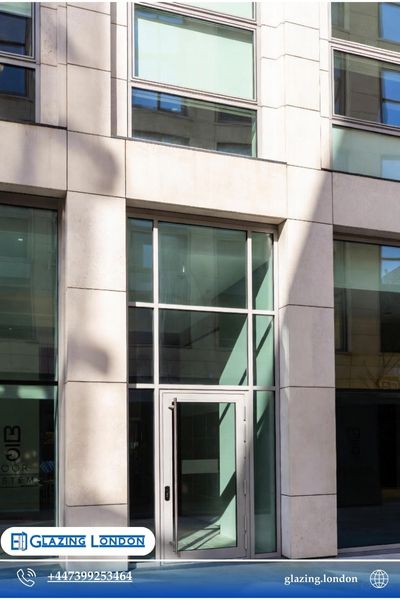
9 . Aluminium Door Systems in Commercial Projects
Architects designing commercial properties choose aluminium because:
9 .1 Brand Image
Sleek storefronts signal professionalism and modernity .
9 .2 Compliance
Fire-safety regulations and structural performance standards are easier to achieve .
9 .3 Heavy Usage
Aluminium withstands continuous daily use in retail , hospitality and office environments .
10 . Why London Architects Recommend Aluminium First
To summarise , aluminium is architect-approved because it provides:
- Structural strength for large glazing areas
- Slim , elegant sightlines
- Excellent thermal performance
- Long-term durability
- Low maintenance needs
- Full design customisation
- Superior security options
- Sustainability and recyclability
- Regulatory compliance
- Higher property value
11 . Why Homeowners Choose Glazing London for Aluminium Door Installations
This is where content marketing enters . Positioning Glazing London as the trusted provider for premium aluminium systems .
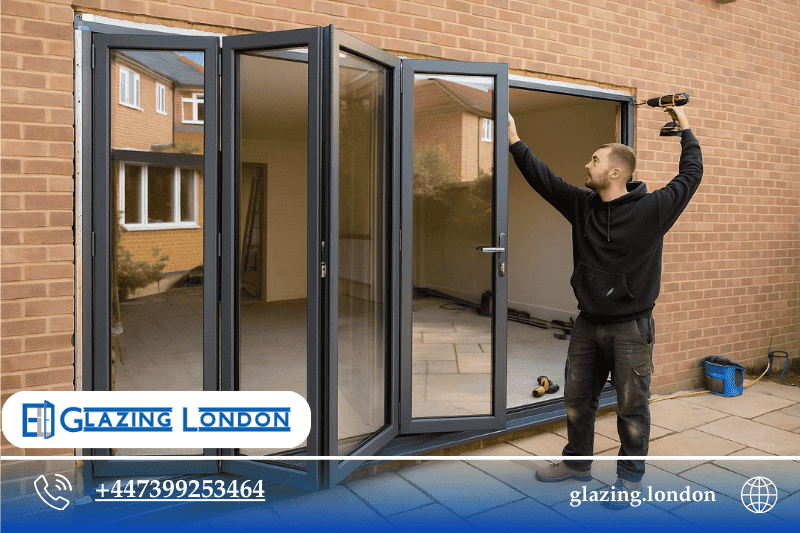
11 .1 Specialist Installation Team
Precision installation ensures maximum performance and longevity .
11 .2 Premium Aluminium Systems
We work with trusted suppliers and high-grade profiles tested for UK climate conditions .
11 .3 Bespoke Design Support
Our consultants collaborate with architects , builders , renovators and homeowners .
11 .4 Fast Lead Times Across London
Serving locations such as:
Kensington , Chelsea , Westminster , Hammersmith , Lambeth , Camden , Richmond , Islington , Southwark , Wimbledon and more .
11 .5 Aftercare & Warranty
All installations come with long-term guarantees and service support .
12 . Final Recommendation
Aluminium door systems represent a future-proof investment for London homeowners and developers . Their structural integrity , aesthetics , thermal efficiency and design versatility make them the top choice among architects and the ideal upgrade for any property seeking durability and luxury .
Whether you’re planning a full renovation , an extension , a new-build installation or a commercial fit-out , aluminium doors deliver exceptional long-term value .