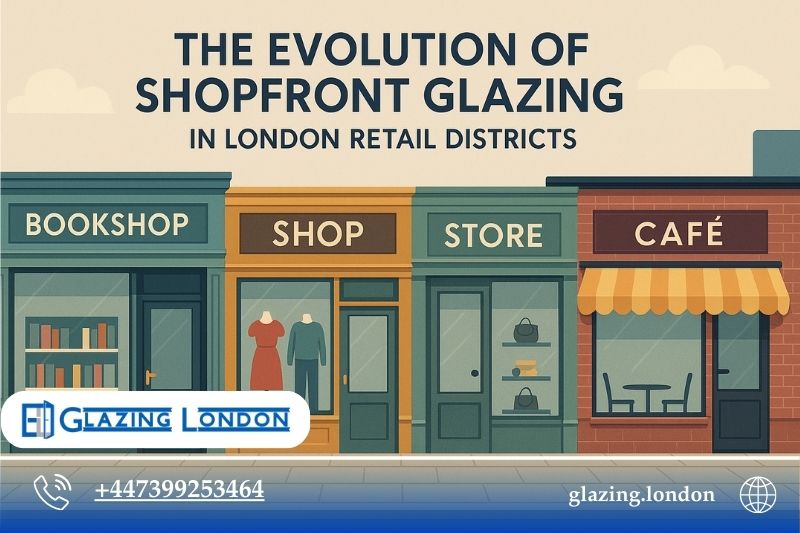
From Victorian charm to ultra-modern facades: how glazing has reinvented London retail .
INTRODUCTION: HOW SHOPFRONTS BECAME THE LANGUAGE OF LONDON’S RETAIL WORLD
Walk down any retail street in London and you’ll immediately feel the weight of visual storytelling . Some façades whisper history , with ornate wooden frames and delicate mullions . Others shout modernity , formed from giant sheets of clear glazing that transform the entire shopfront into a transparent invitation . Whether you stroll through Covent Garden , Oxford Street , Shoreditch , Notting Hill or the emerging retail corridors of South London , you realise quickly that London’s retail identity is built not just on architecture , signage or brand identity , but on glass .
Shopfront glazing has become the central medium through which retailers communicate who they are . It is no longer a simple barrier between inside and outside . It is theatre . It is branding . It is protection . It is the silent salesperson that works twenty-four hours a day , long after the store has closed . And , perhaps most importantly , it has evolved dramatically over the past one hundred years .
The evolution of shopfront glazing in London is a story about design , technology , safety , energy , customer psychology and cultural expectations . It is also a story of how retailers are adapting to new shopping behaviours , new forms of competition and a new urban landscape where visual presence is everything .
This article explores that evolution — from the earliest shop windows to the latest frameless glass walls — and reveals why modern glazing has become an essential competitive advantage for London retailers .
Secondary glazing London
THE EARLY YEARS: SMALL PANES , WOODEN FRAMES AND THE LIMITS OF TRADITIONAL GLASS
When the first recognisable shops appeared in London’s retail districts , glazing was far from what we know today . Glassmaking was limited by the technology of the era . Large panes were difficult to produce , expensive to transport and prone to breakage . Most shopfronts consisted of small , individual glass panes held together by timber framing . These windows allowed light to enter but restricted views . They were functional , not impressive .
Retailers displayed items in cramped arrangements , and customers often needed to step closer to inspect them . It was an intimate shopping experience , but one lacking the visual drama and openness that modern consumers expect . Many early shopkeepers focused on bold signage and painted graphics because the glazing simply couldn’t hold attention .
Nevertheless , even then , the desire for larger , clearer shop windows was emerging . Retailers saw how compelling glass could be . They just needed technology to catch up .
Door Installation in London
THE INDUSTRIAL REVOLUTION: A TURNING POINT IN SHOPFRONT GLASS
In the nineteenth century , everything changed . The glassmaking industry expanded rapidly . New manufacturing techniques allowed for larger , clearer panes of glass , and London was one of the first major cities where retailers adopted these improvements . The shift was immediate and dramatic .
Shops began installing larger windows to showcase products more effectively . For the first time , passers-by could see entire layouts , mannequins and displays without stepping inside . It was a revolution for retail psychology , shifting the act of shopping from necessity to desire .
The evolution wasn’t just aesthetic . Larger pane glazing meant more natural light , which made retail spaces feel more welcoming . It also reduced the reliance on costly gas lighting .
Londoners loved it . Retailers embraced it . And glazing entered a golden age .
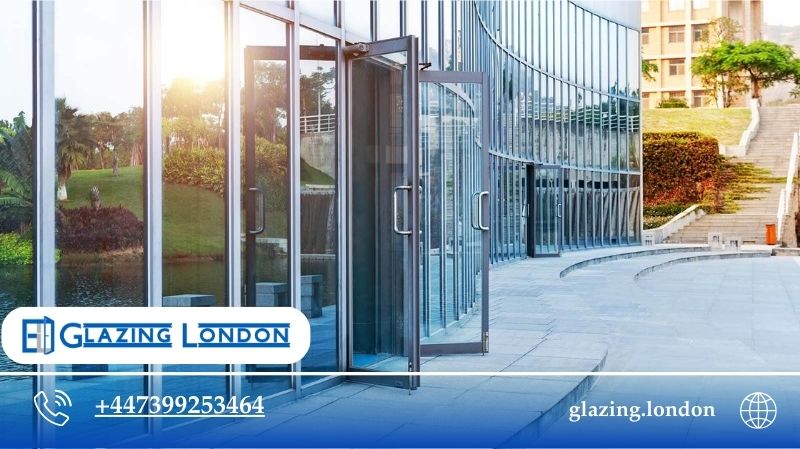
Window installation in London
THE RISE OF DEPARTMENT STORES AND THE BIRTH OF DISPLAY CULTURE
By the early twentieth century , shopfront glazing had become a central element of London’s retail identity . This was the era of Selfridges , Harrods and Liberty expanding their presence and influence . These stores understood that a retail façade was more than a physical boundary; it could be an emotional experience .
Their shopfronts became stages . Glass allowed them to choreograph displays that stopped people in their tracks . Windows became canvases for fashion , lifestyle , beauty , storytelling and aspiration . Retailers hired display artists . Seasonal windows became anticipated events . Entire stories were told through the glass , often without a single written word .
If early glazing made products visible , this period made them irresistible .
The technology still had limits — glass thickness , weight and thermal performance — but retailers had discovered the power of visual theatre . It would shape London retail for generations .
uPVC Windows installation in London
THE POST-WAR ERA: SAFETY , MODERNISM AND THE MOVE TOWARD STRONGER GLASS
After World War II , London’s architecture rebuilt itself with a modernist sensibility . Clean lines , steel frames , open façades and minimalism replaced ornate Victorian styles . Glazing technologies had improved significantly by then . Toughened and laminated glass became more accessible . Retailers could now build façades that were not only large and transparent but safer and more resilient .
Modernism made the shopfront a seamless transition between interior and exterior . Customers could see the essence of a store immediately . Retail districts like Oxford Street and Regent Street embraced the new aesthetic enthusiastically .
These decades also marked a shift in how glazing contributed to safety . Laminated glass , often originally developed for windshields and industrial applications , suddenly became crucial for shopfronts , offering significantly more resistance to impact and reducing the risk of dangerous shards during breakage .
Retailers now saw glazing not just as a visual feature but as a security tool . It was the beginning of “defensive design” , which would accelerate in the decades to come .
Double Glazing Window Installation in London
THE 1980s AND 1990S: CRIME , SECURITY AND THE OVERHAUL OF SHOPFRONT SAFETY
By the late twentieth century , London faced new urban challenges . Retail theft , vandalism , smash-and-grab incidents and burglary rates rose . Shopkeepers needed façades that resisted forced entry . As a result , security glazing became an essential part of retail architecture .
Toughened glazing evolved into laminated safety glazing , and laminated glazing evolved into multi-layered glass composites designed to delay intruders long enough for alarms and police response . This period saw a surge in custom-engineered glazing for jewellers , electronics shops , premium boutiques and stores on vulnerable high streets .
The shift wasn’t purely functional . Retailers didn’t want their façades to look like fortresses . They wanted beauty , openness and modern branding without sacrificing safety . Glazing manufacturers met the challenge . Technologies improved . Laminates became clearer , stronger and more adaptable . Security integrated seamlessly with design .
This seamless integration is what allowed modern retail façades to flourish in districts like Knightsbridge , Covent Garden and Soho .
THE EARLY 2000s: ENERGY EFFICIENCY AND THE ENVIRONMENTAL SHIFT
The next major transition came with the rise of energy-efficient glazing . London retailers became increasingly aware of climate control costs . Heating and cooling systems were overworked by poor insulation . Single glazing or outdated double glazing allowed significant thermal loss .
Glass manufacturers introduced low-emissivity coatings , argon-filled double glazing units and thermally efficient frames . Retailers realised that upgrading their shopfront glazing could dramatically reduce energy bills while improving customer comfort .
This era also marked the rise of environmental consciousness . Retailers wanted to align with sustainability messaging . An energy-efficient façade became part of their brand philosophy , not just a practical improvement .
London retail districts benefited enormously from this shift . Streets felt warmer in winter , cooler in summer and more inviting year-round .
emergency glazing
THE 2010s: THE ARRIVAL OF MINIMALISM AND THE BIRTH OF FRAMELESS RETAIL DESIGN
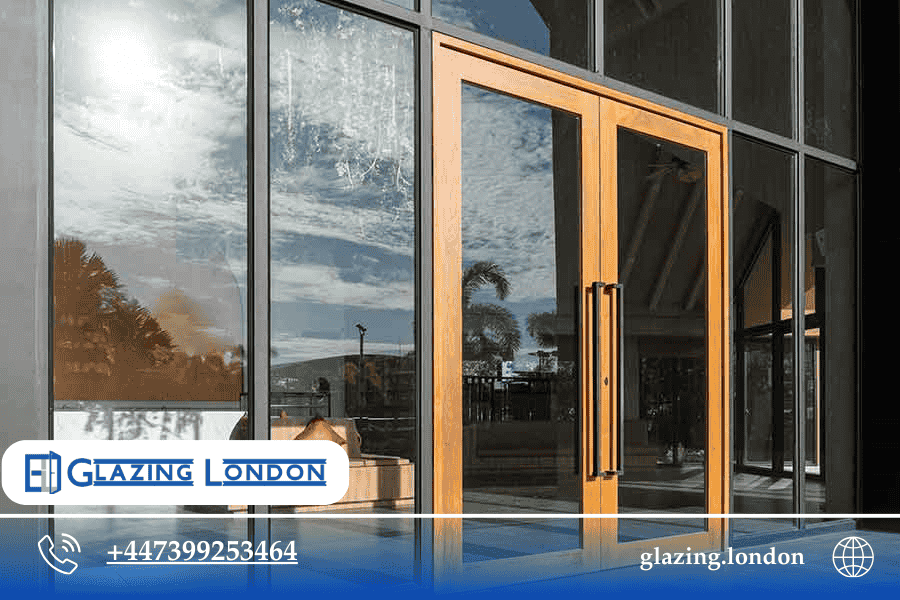
The decade that followed brought the cleanest , most minimalist façades London had ever seen . Ultra-clear , low-iron glass created invisible boundaries . Frameless glazing systems enabled entire shopfronts to look like floating glass walls . The technology behind structural glazing allowed buildings to remove the visual weight of traditional frames .
The effect on retail psychology was powerful . When customers can see everything inside without distortion , hesitation disappears . People enter stores more readily . Retailers noticed immediate increases in foot traffic .
Luxury brands , in particular , embraced this movement . Their shopfronts transformed into art installations . Light , space , materials and symmetry became part of the brand story . Glass did not simply show products; it expressed identity .
London’s retail districts became some of the most visually compelling commercial streets in the world .
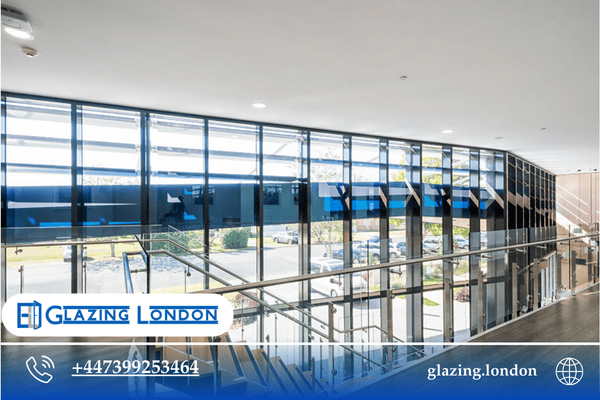
Glass Balustrade Installation in London
THE MODERN ERA: SMART GLASS , DIGITAL INTEGRATION AND THE FUTURE OF RETAIL GLAZING
Today , the evolution continues at rapid speed . Shopfront glazing is entering an intelligent era . Smart switchable glass allows retailers to transform transparency with a tap . Digital displays can be embedded within glazing . Thermal performance has reached new heights . Crime-resistant glass is stronger and clearer than ever . Sound reduction technology keeps stores peaceful even on busy streets . And with LED-integrated panels , retailers can incorporate lighting effects into the glazing itself .
Retailers , especially those in high-traffic districts , now treat glazing as a branding asset . A single pane of glass can communicate modernity , trustworthiness , exclusivity or welcome . It can influence how long customers stay , how confident they feel and how memorable a retail experience becomes .
The future of glazing in London retail will include even more innovations: transparent solar glazing , augmented-reality shopfronts , dynamic tinting controlled by daylight , and acoustic-refined glazing for ultra-busy districts .
Retailers are no longer asking how to use glass .
They are asking how far they can push its potential .
WHY THIS EVOLUTION MATTERS TO TODAY’S RETAILERS
Shopfront glazing is now intertwined with every key priority of modern retail .
It influences customer flow , brand perception , safety , operating costs and community presence .
A beautifully glazed façade does more than make a building look modern — it makes it competitive .
When shoppers decide whether to enter a store , they do so in seconds .
And glass is the first thing they judge .
It sets expectations . It shapes emotions . It determines whether curiosity turns into entry .
This is why so many retailers across London are upgrading their façades today .
They are not simply replacing old glass .
They are reinventing the way their store communicates .
Glass Replacement in London
CONCLUSION: THE SHOPFRONT AS A MIRROR OF LONDON ITSELF
The evolution of shopfront glazing in London is a reflection of the city’s own transformation .
It is a story of innovation , resilience , creativity and adaptation .
From tiny Victorian panes to today’s towering frameless designs , glazing has shaped the rhythm of retail districts and the experience of millions of shoppers .
London’s retail landscape thrives because it continually reinvents itself .
And shopfront glazing is at the heart of that reinvention .
Where glass once served as a boundary , it now serves as an invitation .
Where it once held products behind it , it now elevates them .
Where it once acted as a simple material , it now acts as a brand storyteller .
And as London continues to grow , evolve and redefine its commercial identity , glazing will remain one of the most powerful tools in shaping its future .