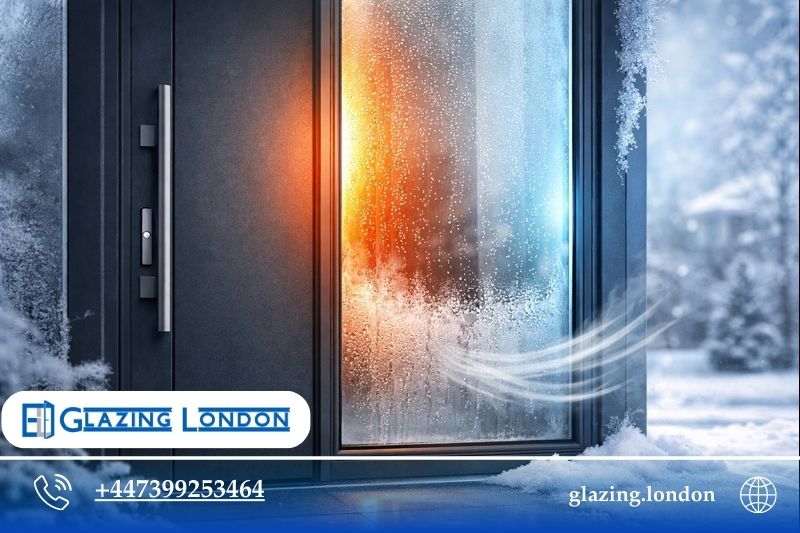
A Practical Homeowner’s Guide to Energy Efficiency , Comfort , and Lower Bills
Introduction: Why Heat Loss Through Door Glass Matters More Than You Think
Many homeowners focus on walls , roofs , or windows when thinking about heat loss , but door glass panels are often overlooked . Whether you have a front door with decorative glazing , a composite door with glass inserts , or a full glass panel door , this area can quietly become one of the largest sources of energy inefficiency in your home .
Heat loss through door glass does not just affect your comfort . It directly impacts:
- Monthly energy bills
- Indoor temperature stability
- Condensation and moisture problems
- Long-term property value
- Carbon footprint and sustainability goals
The good news is that heat loss through door glass is detectable , often without specialist tools . This guide explains how to tell if your door glass is losing heat , what causes it , and what practical steps you can take—before small inefficiencies turn into expensive problems .
Double Glazing London
Understanding How Heat Escapes Through Door Glass
Before identifying the signs , it is essential to understand how heat actually escapes .
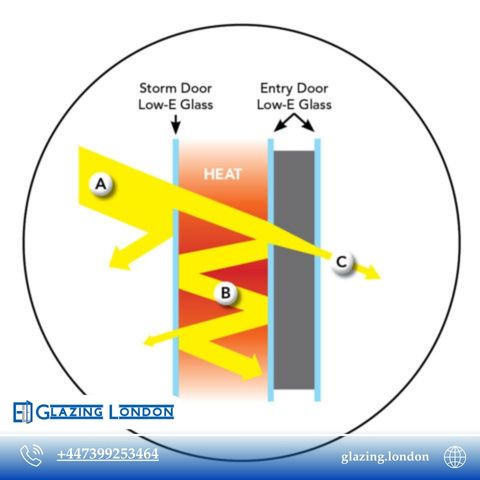
Glass loses heat primarily through:
- Conduction – heat passing directly through the glass
- Convection – air movement between glass layers (in poorly sealed units)
- Radiation – heat radiating from warm indoor surfaces to colder outdoor air
- Air leakage – gaps around glazing beads , seals , or frames
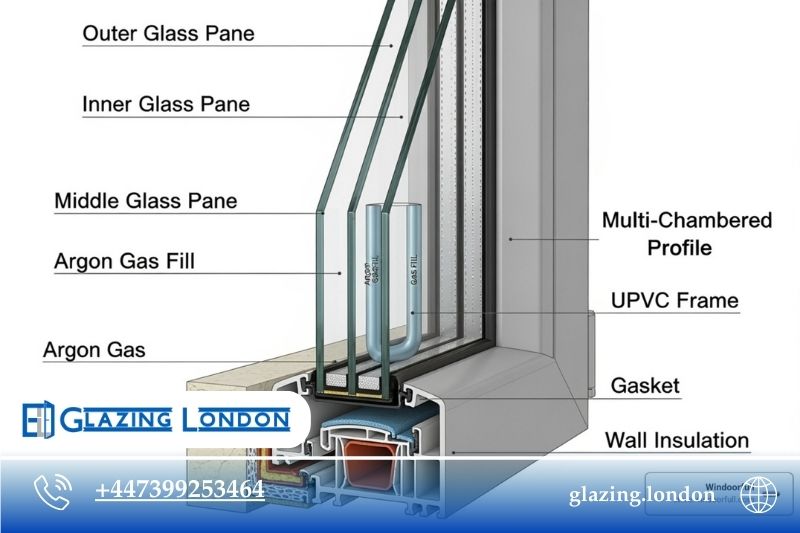
Older or damaged glazed door units are particularly vulnerable because they often lack:
- Modern low-emissivity (Low-E) coatings
- Argon-filled cavities
- Warm edge spacers
- High-performance seals
Door Installation in London
1 . The Cold Glass Test: A Simple First Indicator
One of the easiest ways to detect heat loss is the touch test .
What to do:
On a cold day or evening:
- Place your hand on the glass panel of your door
- Compare it to an internal wall or solid door panel
Warning signs:
- The glass feels significantly colder than surrounding surfaces
- Cold sensation remains even after heating has been on for hours
While all glass feels cooler than walls , modern insulated glass should not feel icy cold . If it does , heat is escaping rapidly .
2 . Noticeable Drafts Around the Door Glass Area
Heat loss is often accompanied by air infiltration , especially around the glass insert .
Check for:
- Cold air movement near the glass edge
- Curtains or blinds subtly moving
- A temperature drop when standing close to the door
This typically indicates:
- Failed glazing seals
- Shrinkage in gasket materials
- Poor original installation
Drafts are not just uncomfortable; they significantly increase heating demand .
Doors Repair in London
3 . Condensation Between Glass Panes (A Major Red Flag)
Condensation location tells you everything .
Types of condensation:
- Inside surface → high indoor humidity
- Outside surface → normal in cold weather
- Between panes → glazing unit failure
If moisture appears inside the sealed unit , the insulating gas has escaped and cold air has replaced it . This means:
- The glass has lost most of its thermal efficiency
- Heat loss is ongoing and unavoidable without replacement
At this stage , no cleaning or sealing workaround will solve the issue .
Bifold Door Repair London
4 . Rising Energy Bills Without Lifestyle Changes
A subtle but powerful indicator is your energy usage trend .
Ask yourself:
- Have heating bills increased year-on-year?
- Has comfort decreased despite higher heating usage?
- Have you ruled out boiler or thermostat issues?
Door glass heat loss contributes disproportionately because it creates localized cold zones , forcing heating systems to work harder to maintain comfort .
5 . Uneven Room Temperatures Near the Door
Rooms with heat-losing door glass often show:
- Cold spots near the entrance
- Warmer ceilings and colder floors
- Persistent discomfort despite adequate heating
This uneven heat distribution is a classic symptom of poor thermal barriers .
6 . Ice or Frost Forming on Door Glass
During very cold weather , inspect the exterior glass early in the morning .
Warning signs:
- Frost forming quickly on the glass
- Frost lingering longer than on nearby windows
This indicates that internal heat is warming the outer glass surface , accelerating frost formation—a clear sign of thermal leakage .
7 . Thermal Imaging: The Professional Confirmation
Professional glaziers use thermal imaging cameras to:
- Identify heat escaping patterns
- Pinpoint seal failures
- Compare door glass performance against walls and windows
Bright yellow or red areas around door glass on a thermal scan confirm significant heat loss . While homeowners may not own this equipment , professional surveys are fast and non-intrusive .
Double Glazing Door Repair London
French Doors Repair in London
The Hidden Risks of Ignoring Heat Loss in Door Glass
Ignoring the problem leads to more than higher bills .
Long-term consequences:
- Internal condensation and mould growth
- Timber frame decay
- Reduced door lifespan
- Lower EPC rating
- Decreased property appeal
Heat loss is rarely static—it worsens over time .
Composite Door Repair in London
Can Door Glass Be Repaired , or Must It Be Replaced?
This depends on the issue .
Repair may be possible if:
- Seals around the glass are damaged
- Gaskets have deteriorated
- Draught proofing has failed
Replacement is required if:
- Condensation is between panes
- Glass is single-glazed
- The unit has lost insulating gas
- Cracks or thermal stress fractures exist
In most cases , replacing the glass unit—not the entire door—is sufficient , making it a cost-effective upgrade .Why Older Door Glass Is Especially Vulnerable
If your property is more than 10–15 years old , your door glass may lack:
- Low-E coatings
- Argon or krypton gas fills
- Modern spacer bars
- Enhanced edge sealing technology
Even if the glass looks intact , its thermal performance may be outdated compared to current standards .
Front Door Repair London
Benefits of Upgrading to Modern Energy-Efficient Door Glass
Upgrading delivers immediate and long-term advantages:
- Reduced heating costs
- Improved indoor comfort
- Elimination of drafts and cold spots
- Better sound insulation
- Increased property value
Modern glazing pays for itself faster than many homeowners expect .
When to Call a Professional Glazier
You should seek expert assessment if:
- Condensation appears between panes
- Drafts persist despite sealing attempts
- Energy bills rise without explanation
- The door glass is over 10 years old
A professional inspection provides clarity—and prevents unnecessary full door replacements .
Stable Door Repair in London
Final Thoughts: Small Glass Panel , Big Impact
Door glass may represent a small surface area , but its impact on heat retention is significant . Recognizing the signs early allows homeowners to:
- Act before costs escalate
- Improve comfort immediately
- Make informed upgrade decisions
If your home feels colder than it should , your door glass may be quietly responsible .