
Living in London comes with undeniable advantages—connectivity , opportunity , culture , and constant movement . However , one of the most common and persistent challenges for residents is noise pollution . Traffic , public transport , nightlife , neighbouring flats , and street-level activity all contribute to an environment where peace and quiet are increasingly difficult to achieve .
While many homeowners and tenants consider soundproof windows or wall insulation , doors remain the most underestimated entry point for noise . Gaps , hollow cores , poor seals , and outdated installations allow sound to pass freely into living spaces . This article explores door noise-proofing as a modern , practical , and highly effective solution for London living , combining technical guidance with a content-marketing perspective that helps property owners make informed , value-driven decisions .
Commercial glazing London
Why Noise Is a Growing Problem in London Homes
London’s density is both its strength and its weakness . According to urban planning studies , noise exposure in large metropolitan areas has increased steadily due to:
- Higher traffic volume (24/7 road use)
- Increased rail and underground frequency
- Mixed-use developments (residential + commercial)
- Older building stock with outdated acoustic standards
- Growth of short-term rentals and late-night activity
For many properties—especially flats , HMOs , and terraced houses—external and internal doors act as direct sound channels . Even a well-insulated wall cannot compensate for a poorly sealed door .
The Hidden Role of Doors in Sound Transmission
Most people assume noise comes through walls or windows . In reality , sound behaves like air: it looks for the path of least resistance .
Common door-related sound issues include:
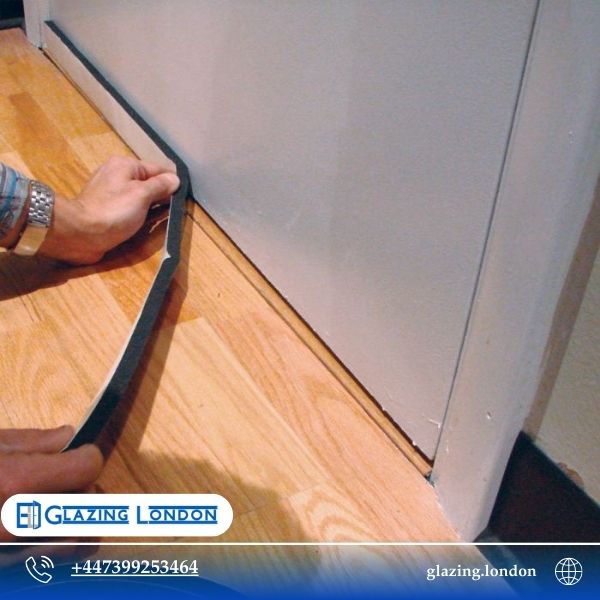
- Gaps around the frame (top , sides , and threshold)
- Hollow-core doors that resonate sound
- Poorly fitted hinges and frames
- Letterboxes and ventilation openings
- Old timber doors with warping or shrinkage
A single 5–8 mm gap under a door can reduce acoustic performance by more than 50 percent . This makes door noise-proofing one of the highest ROI improvements for noise reduction in urban properties .
Door Installation in London
What Is Door Noise-Proofing?
Door noise-proofing is the process of reducing airborne sound transmission through and around a door assembly . It typically involves a combination of:
- Acoustic sealing
- Door material upgrades
- Structural reinforcement
- Professional installation and adjustment
Unlike temporary fixes (curtains , draft blockers) , professional door noise-proofing is measurable , durable , and compliant with UK building standards .
Doors Repair in London
Types of Noise That Doors Commonly Let In
Understanding the type of noise you are dealing with determines the correct solution .
1 . Airborne External Noise
- Traffic
- Sirens
- Street activity
- Construction
2 . Internal Building Noise
- Stairwells
- Communal corridors
- Lift shafts
- Neighbouring flats
3 . Impact & Vibration Noise
- Doors slamming in shared areas
- Footfall in hallways
- Structural vibration transferred through frames
Each noise category requires a different acoustic strategy , but doors are relevant in all three cases .
Bifold Door Installation London
How Much Noise Reduction Can You Expect?
While results vary , typical improvements include:
- 5–10 dB with professional sealing alone
- 10–20 dB with seals + threshold systems
- 20–30 dB with full acoustic door upgrades
A 10 dB reduction is perceived by the human ear as approximately 50% less noise .
Composite Door Installation in London
Modern Noise-Proofing Solutions for Doors
1 . Acoustic Door Seals (Perimeter Sealing)
High-density acoustic seals close microscopic gaps around the frame .
Benefits:
- Immediate noise reduction (5–15 dB)
- Improved thermal efficiency
- Minimal visual impact
This is often the first and most cost-effective step .
2 . Drop-Down Acoustic Thresholds
Automatic drop seals engage when the door closes , sealing the bottom gap .
Best for:
- Flats with corridor noise
- Front doors facing busy roads
- Offices and HMOs
Unlike basic draft excluders , these systems are mechanically precise and durable .
3 . Solid-Core or Acoustic Door Panels
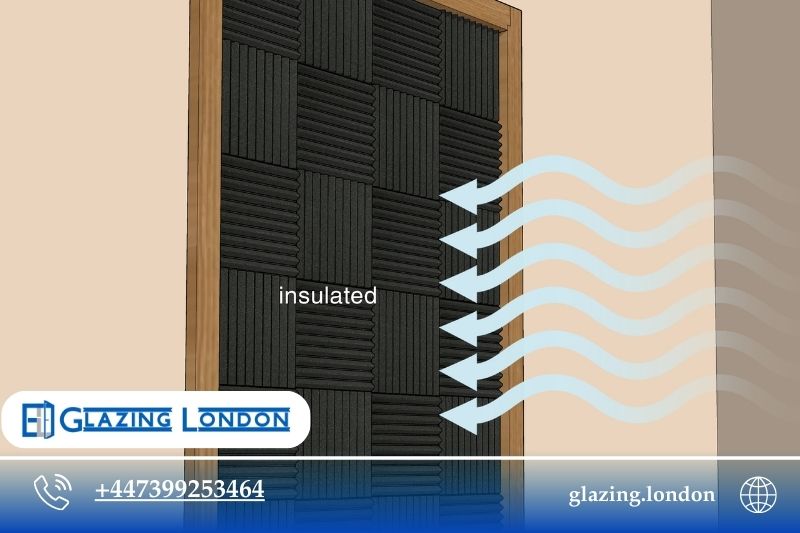
Replacing hollow doors with solid or acoustic-rated doors significantly improves sound reduction .
Key features:
- Increased mass
- Multi-layer cores
- Sound Transmission Class (STC) ratings
This solution is ideal when renovation or compliance upgrades are already planned .
4 . Frame Reinforcement and Re-Alignment
Even the best door will fail acoustically if the frame is misaligned .
Professional services include:
- Frame squaring
- Structural shimming
- Hinge recalibration
- Seal compression testing
This step is critical and often overlooked in DIY attempts .
Common Door Types in London Properties (And Their Acoustic Weaknesses)
uPVC Doors
- Lightweight
- Often hollow or foam-filled
- Poor perimeter sealing over time
Timber Panel Doors
- Warping with humidity
- Gaps at joints
- Variable density
Composite Doors
- Better insulation
- Often poorly installed in older retrofits
- Require professional acoustic sealing
Fire Doors (FD30 / FD60)
- Good mass
- Often compromised by poor frame installation
- Not automatically soundproof without seals
Front Door Installation London
Why Door Noise-Proofing Is Ideal for London Living
From a strategic standpoint , door noise-proofing aligns perfectly with the realities of London housing:
- Minimal structural disruption
- Fast installation (often same-day)
- Suitable for owned and rented properties
- Compliant with fire and building regulations
- Improves comfort , privacy , and property value
For landlords , it also reduces tenant complaints and turnover—an often overlooked operational benefit .
Stable Door Installation London
Noise-Proofing for Different Property Types
Flats & Apartments
- Focus on entrance doors and communal exposure
- Priority on seals and thresholds
Houses (Terraced / Semi-Detached)
- Front doors facing roads
- Internal doors near staircases
HMOs
- Legal obligation to balance fire safety and comfort
- Specialist acoustic fire-rated solutions required
Home Offices
- Increased demand post-remote-work
- Sound isolation improves productivity and call quality
Sliding Patio Door Installation London
DIY vs Professional Noise-Proofing: A Reality Check
DIY solutions can help marginally , but they often fail because:
- Incorrect materials are used
- Gaps are underestimated
- Fire and safety compliance is ignored
- Results are inconsistent
Professional services offer:
- Acoustic assessment
- Correct product selection
- Measurable outcomes
- Warranty and compliance assurance
In London’s regulatory environment , professional installation is strongly recommended , especially for shared buildings .
French doors installation London
Noise-Proofing as a Content-Driven Property Upgrade
From a marketing and property strategy perspective , noise-proofing doors is more than a technical fix—it is a lifestyle upgrade .
Search trends show increasing demand for:
- “quiet apartment London”
- “reduce traffic noise flat”
- “soundproof front door UK”
This reflects a broader shift toward comfort-driven home improvements , where noise control ranks alongside energy efficiency and security .
Double Glazing Door Installation in London
Choosing the Right Noise-Proofing Partner in London
When selecting a service provider , consider:
- Experience with London-specific building types
- Understanding of fire door regulations
- Use of certified acoustic materials
- Clear measurement-based assessments
- Transparent pricing and scope
Avoid generic “one-size-fits-all” solutions—London properties are too diverse for that approach .
Additional Benefits Beyond Noise Reduction
Noise-proofing doors also delivers:
- Improved thermal insulation
- Reduced drafts and heat loss
- Enhanced security through better fitting
- Increased property value and marketability
In competitive London rental and sales markets , these factors directly influence pricing and desirability .
The Future of Quiet Living in Urban London
As urban density increases , noise control will shift from a luxury to a baseline expectation . Door noise-proofing represents a scalable , affordable , and regulation-friendly solution that meets modern living standards .
For homeowners , tenants , landlords , and developers alike , investing in acoustic door solutions is no longer optional—it is strategic .
Conclusion: A Smarter Way to Reclaim Your Space
Noise-proofing your doors is one of the most practical and impactful upgrades you can make in a London property . It addresses a real , daily pain point with measurable results , minimal disruption , and long-term value .
In a city that never sleeps , your home finally can .